If you've been watching Dry Creek Valley listings this fall and you saw the headline that Sonoma County beat back a legal challenge to its groundwater well ordinance, you might have exhaled. Don't. The ruling that came down from the First District Court of Appeal on August 4, 2026 was a split decision, and the part that actually controls how long it takes to get a new well approved on ag land near the Russian River wasn't resolved. It was sent back.
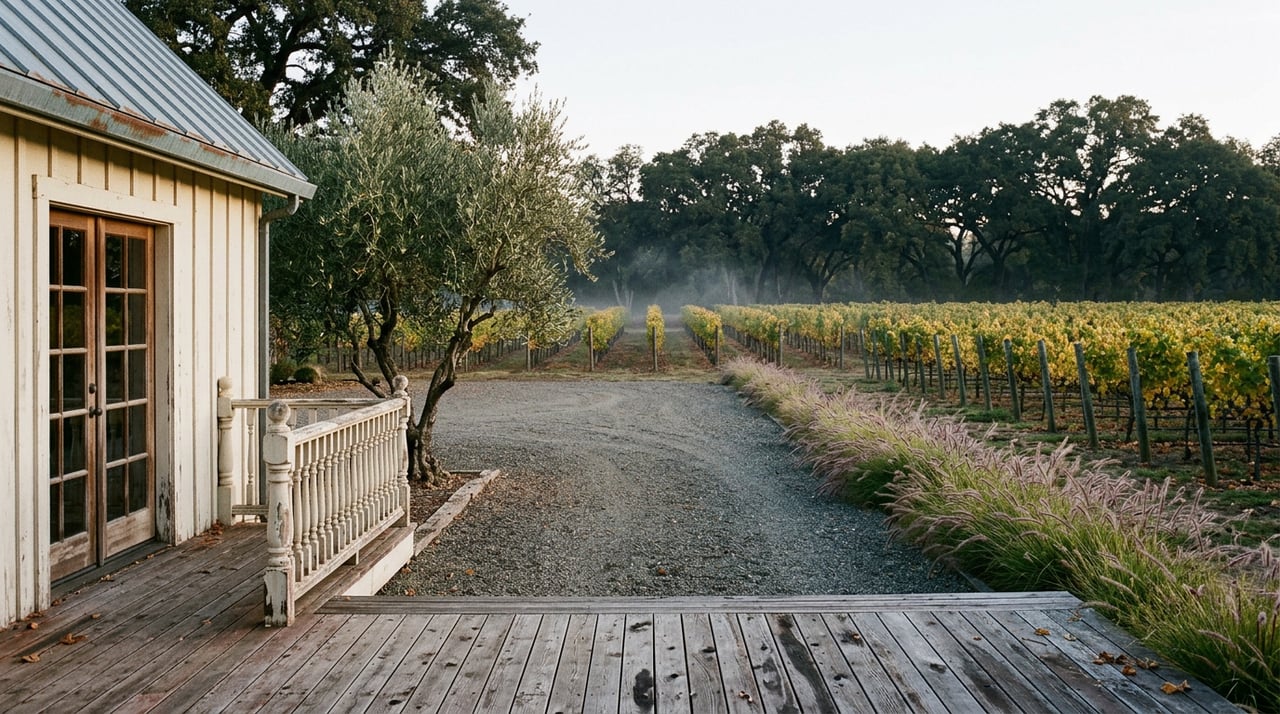
That distinction matters most exactly where you'd expect: Dry Creek Valley, where vineyard parcels sit along a waterway that shares its name with the valley and feeds into the Russian River watershed the ordinance was written to protect.
What the County Actually Won, and What It Didn't
The case, brought by Russian Riverkeeper and the California Coastkeeper Alliance, challenged amendments Sonoma County adopted in April 2023 to its Well Ordinance. Those amendments created the Public Trust Review Area, a mapped zone where new wells face discretionary review rather than the faster ministerial process that applies elsewhere in the county. A Sonoma County Superior Court judge sided with the plaintiffs in 2024, finding the county had violated both the public trust doctrine and the California Environmental Quality Act, and ordered a halt to non-emergency well permitting.
On appeal, the county got half of what it wanted. The three-judge panel found the plaintiffs failed to show the county's public trust analysis was arbitrary or unsupported, so that piece of the ordinance stands. But the same panel upheld the lower court's finding that the county's claimed CEQA exemptions, the ones it used to avoid a full environmental review when it first adopted the ordinance, weren't backed by substantial evidence. The case was remanded rather than closed.
What that means in plain terms: Permit Sonoma still doesn't have a settled, court-tested basis for how it processes new well applications inside the Public Trust Review Area, and the CEQA question that determines how long that process takes and whether it survives another legal challenge remains open. If you're under contract on Dry Creek Valley acreage that needs a new well, you're not buying into a resolved regulatory picture. You're buying into round two.
Why Dry Creek Valley Sits Closer to This Than Most of the County
The Public Trust Review Area was drawn around the parts of Sonoma County where groundwater pumping has the clearest connection to surface flows in the Russian River and its tributaries, including habitat for Coho salmon and steelhead trout. Dry Creek itself, the waterway the valley is named for, runs through the heart of the AVA and empties into the Russian River. Parcels with frontage on Dry Creek Road often have literal frontage on the creek too. That proximity is precisely the fact pattern the ordinance was built around.
This doesn't mean every Dry Creek Valley parcel needing a well faces discretionary review. It means the odds of landing inside the reviewed area are higher here than in, say, a hillside parcel two ridges over with no adjacent stream. Before you write an offer, ask whether the specific APN falls inside the mapped Public Trust Review Area. Permit Sonoma maintains the boundary through its Well Ordinance Map, and it's worth checking before, not after, you're in escrow.
The Line That Actually Matters: Existing Well vs. New Well
Not every well application gets the extended review. The ordinance carves out several exemptions, and understanding which one applies to a property you're considering is the difference between a straightforward closing and a three-to-six-month regulatory detour.
| Well category | Review path |
|---|---|
| Low-use wells (2 acre-feet or less per year) | Exempt from discretionary review |
| Existing-use wells (limited to historical use, with metering) | Exempt, reviewed ministerially |
| Net-zero-increase wells | Exempt, reviewed ministerially |
| New wells inside the Public Trust Review Area, above the exemption thresholds | Discretionary review, three to six months, subject to CEQA |
That last row is where the friction lives, and it's also where the ordinance's unresolved CEQA status makes timelines harder to promise than they were before the lawsuit. A parcel that already has a functioning well with an established use history is a fundamentally different due-diligence conversation than a plantable parcel where the seller's marketing says "well needed."
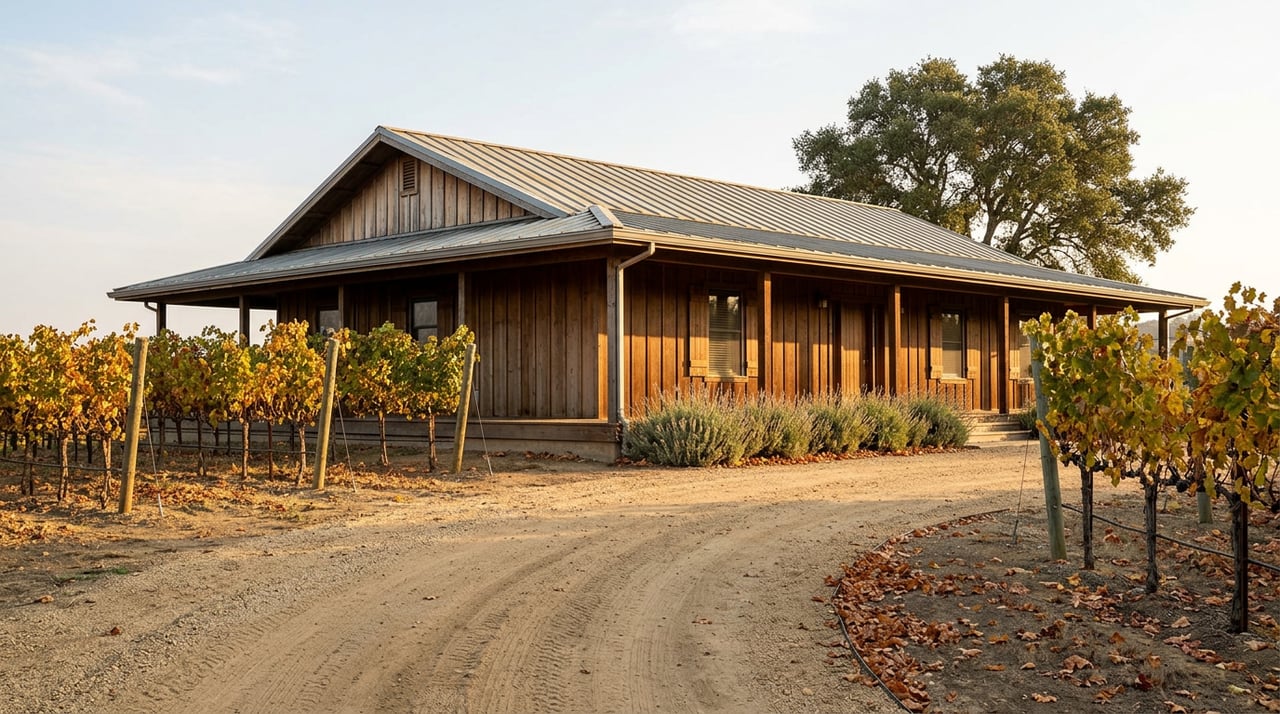
You're already seeing sellers respond to this. Some Dry Creek Valley listings this year lead with the fact that a well has already been drilled and capped, ready for a future residence, rather than leaving that step to the buyer. That's a direct market reaction to permitting friction becoming a known cost, not just a hypothetical one.
Water rights on a property aren't limited to wells, either. Some of the valley's larger vineyard holdings draw irrigation from their own reservoirs under exclusive diversion rights rather than groundwater at all. A 250-acre parcel in the northwest end of the valley, for example, irrigates entirely from an 18-acre-foot reservoir it controls outright. A property with that kind of senior surface water right sidesteps the well permitting question altogether, which is worth knowing before you assume every vineyard parcel in the valley carries the same water risk.
Williamson Act Is a Separate Conversation, Not the Same One
Buyers new to agricultural land in Sonoma County sometimes fold water rights and Williamson Act enrollment into a single mental category labeled "ag paperwork." They're not the same thing, and conflating them costs you time in escrow.
The Williamson Act is a California Land Conservation Act program, administered locally, that lowers property taxes on land kept in active agricultural use in exchange for restrictions on non-agricultural development. Many Dry Creek Valley vineyard parcels are enrolled. One parcel currently on the market, roughly 14 acres, carries a Williamson Act-restricted tax assessment that holds the annual bill near $5,000, a fraction of what an unrestricted assessment on land of that value would run. That contract runs with the land, so a buyer inherits both the tax benefit and the development limits, and it says nothing about whether the parcel's well permit is straightforward.
Treat the two as separate checklists during due diligence. One tells you what you can build and how your taxes are calculated. The other tells you how long it will take to get water to whatever you build.
A Due-Diligence List Worth Running Before You Write an Offer
- Confirm whether the parcel's APN falls inside the mapped Public Trust Review Area
- Ask the seller directly whether the property's water source is an existing permitted well, a new well application, or surface water under a diversion right
- If a new well is required, get a written estimate from the seller's or your own consultant on where that application would fall among the ordinance's exemption categories
- Pull the Williamson Act enrollment status and current assessed value separately from the water rights conversation
- If a well has already been drilled and capped, confirm the permit history and metering requirements tied to it
None of this should scare a serious buyer away from Dry Creek Valley. The valley's combination of Zinfandel and Cabernet Sauvignon terroir, proximity to Healdsburg's town square, and access to Lake Sonoma hasn't changed. What's changed is that "water rights" moved from a line item to a genuine variable in how quickly a purchase closes and what it costs to bring a plantable parcel into production.
Frequently Asked Questions
Does this ruling stop me from buying vineyard land in Dry Creek Valley right now? No. Permit Sonoma continues to process well applications under the current ordinance. What the ruling changes is the certainty around that process, since the CEQA question was remanded rather than settled, which means the rules governing discretionary review could still be revisited.
What if the property I'm considering already has a working well? An existing well with an established use history typically falls into the ordinance's exemption categories and is reviewed ministerially rather than through the longer discretionary process. That's a materially different risk profile than a parcel where a new well would need to be drilled and permitted.
Are Williamson Act enrollment and water rights the same due-diligence issue? No. Williamson Act status governs property tax assessment and development restrictions on agricultural land. Water rights, whether through a well or a surface diversion, govern whether and how quickly you can put water on the property. Both deserve separate attention before you remove contingencies.
If you're evaluating vineyard or plantable acreage in Dry Creek Valley and want a straight read on how a specific parcel's water situation and Williamson Act status affect your timeline, Kevin M. Properties can walk through the due-diligence specifics with you before you write an offer. Get in Touch.