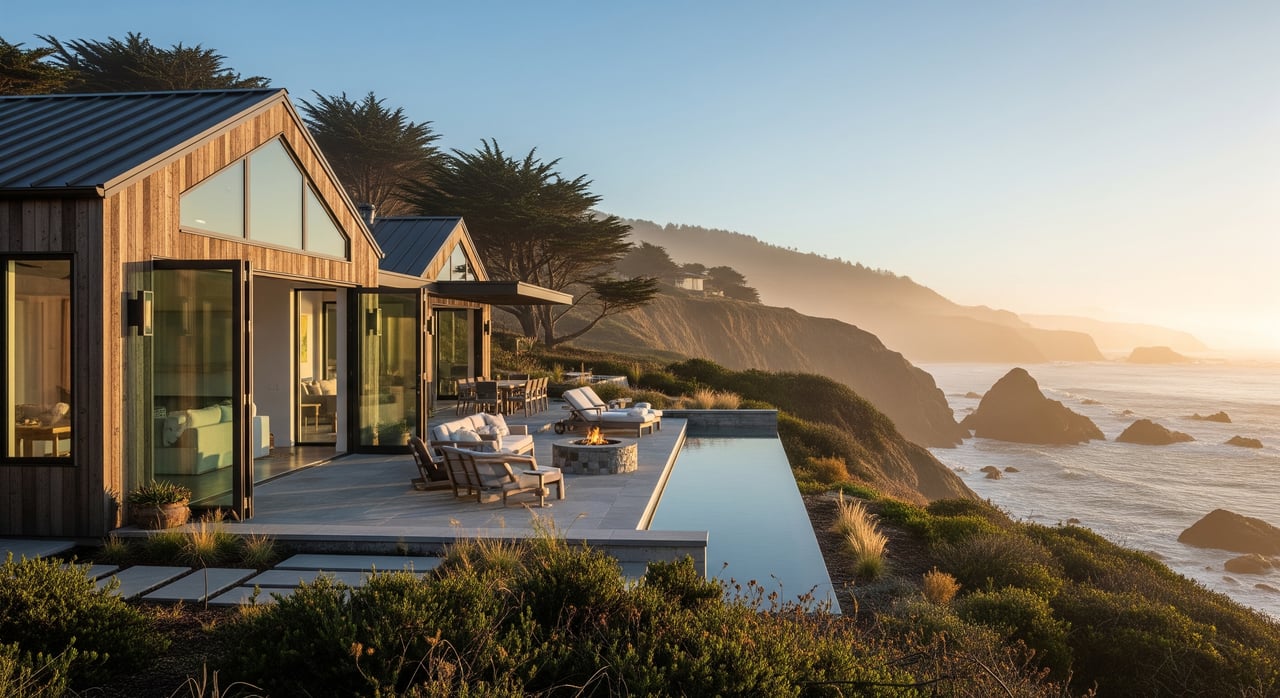
Ever wonder what it feels like to wake to ocean fog, sip coffee above the cliffs, and end the day with a glowing sunset over the Pacific? If you are considering a second home or full-time retreat in Mendocino’s 95460, you want the romance and the realities. You want to know how the seasons feel, where you run errands, what it takes to maintain a coastal property, and which rules shape renovations or rentals. This guide walks you through daily life, practical ownership, and smart next steps so you can move forward with clarity. Let’s dive in.
Daily rhythm on the headlands
Mornings in the marine layer
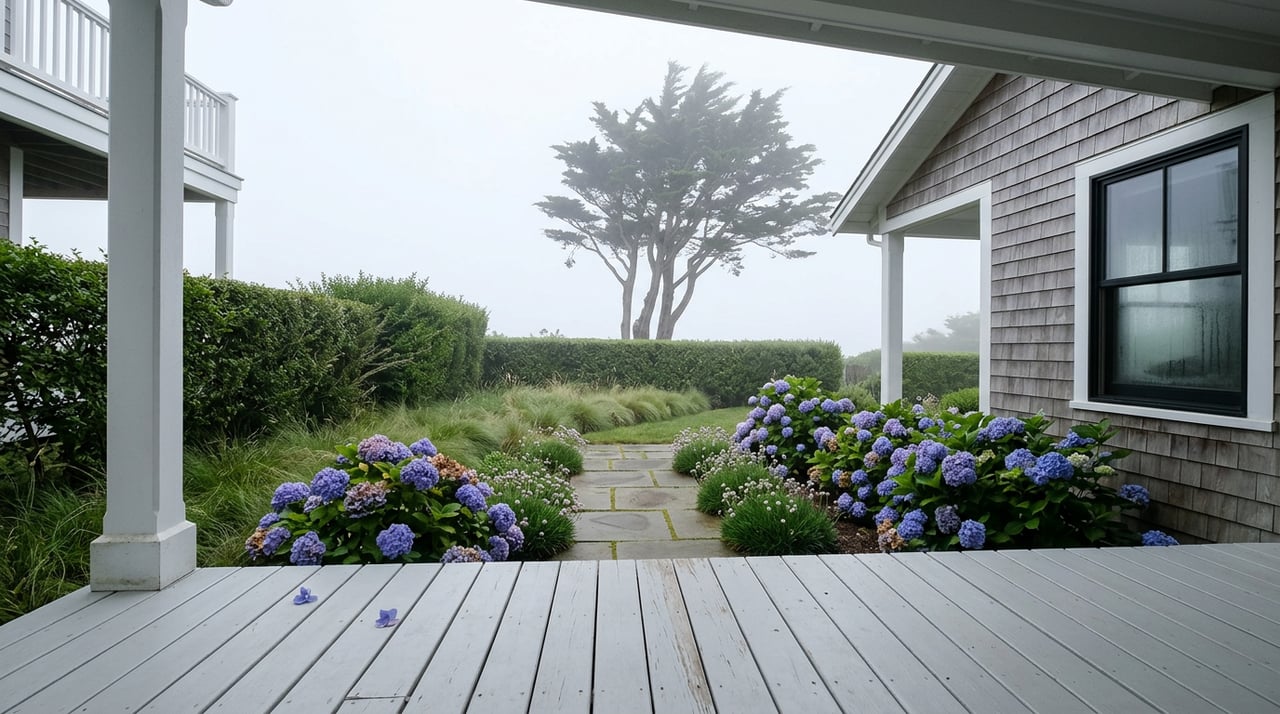
Coastal Mendocino lives by the ocean. Summers often sit in the 50s to 60s with a morning marine layer that typically burns off by late morning. Fog and wind on the headlands are normal, and winter brings mild, wetter weather with more storms and higher surf. Many owners start the day with a headlands walk, tidepooling, or a short hike before the village wakes up.
Midday errands and outings
By midday you are in the village for coffee, a gallery stop, or a quick market run. For fuller shopping and larger stores, you drive to Fort Bragg. You might pair errands with a walk at Mendocino Headlands or a turn through nearby state parks. On quieter shoulder seasons, you lean into slow lunches and simple routines.
Evenings and weekends
Evenings are for low-key dining, art openings, and small concerts. In summer, festivals and seasonal performances bring energy and visitors. Weekends often mean scenic Highway 1 drives, kayaking, surf lessons, or a day inland to Anderson Valley for wine tasting.
Outdoor access at your doorstep
State parks and trails
You have a string of parks within minutes. Favorites include Mendocino Headlands State Park, Russian Gulch State Park, Van Damme State Park, Point Cabrillo Light Station, and, farther north, MacKerricher State Park near Fort Bragg. You hike coastal bluffs, watch for whales in season, and explore tidepools at low tide.
Arts, dining, and events
Mendocino’s arts culture is woven into daily life. The Mendocino Art Center anchors a network of galleries with rotating exhibitions and workshops. Annual draws like the Mendocino Music Festival and the Mendocino Film Festival add a lively summer pulse. Restaurants and cafes lean seasonal and local, with hours that may shorten in winter.
Practical ownership realities
Water and septic basics
Many properties rely on private wells or community water systems. Septic is common. Before you buy, you should verify water source, well yield and quality, and septic age, capacity, and maintenance records. County health standards apply across the coastal zone, and upgrades may be required for new permits.
Power, heat, and connectivity
Grid power serves the area, but storms can impact lines. Propane and wood heating are common. Cell coverage varies by parcel, and broadband ranges from local ISPs to satellite solutions. If you plan to work remotely, confirm internet speeds and reliability for the specific property.
Weather, salt, and upkeep
Salt air accelerates corrosion on metal, railings, and exterior fixtures, and persistent fog can encourage mold and rot. Expect proactive maintenance on exterior finishes and regular checks on roofs, decks, windows, and venting. Landscape choices favor native, wind- and salt-tolerant species with erosion control top of mind.
Insurance and wildfire
Wildfire risk and insurance availability are key considerations across Mendocino County. Premiums and underwriting vary by micro-location, and some owners rely on the FAIR Plan as a last resort. Fire-hardening and defensible space help with safety and may support insurability.
Permits, coastal rules, and builds
Coastal development permits
Much of the area sits within the coastal zone, which means the Mendocino County Local Coastal Program applies. Additions, new structures, or significant exterior changes may require coastal development permits. Bluff setbacks, erosion risk, and resource protections can shape what is possible, and steep or blufftop parcels often need geotechnical reports.
Historic homes in the village
Many village houses date to the Victorian era. Restoration may call for specialized trades and attention to seismic upgrades, rot, and moisture management. The payoff is character and walkability, though you should expect narrower lots and constrained parking compared to newer neighborhoods.
Getting here and getting supplies
Highway 1 and travel times
California State Route 1 is your lifeline. It is scenic and winding and can close during storms, erosion events, or landslides. From much of the San Francisco Bay Area, plan on roughly 3.5 to 4.5 hours depending on traffic and your starting point.
Shopping and healthcare
You can find basics in Mendocino village. For full-service groceries, hardware, and larger pharmacies, you typically drive to Fort Bragg. Emergency and primary care are available locally, while specialty medical care often means a trip inland to Ukiah or south toward Santa Rosa.
Short-term rentals and taxes
Mendocino County regulates short-term rentals with permits, registration, and transient occupancy tax requirements that vary by zone. If you plan to offset costs through vacation rentals, confirm the current rules early in your process. Rental income is taxable and should be factored into your financial planning.
Buyer profile and property types
Many buyers are Bay Area second-home seekers, retirees, or remote-capable professionals who want a lower-density coastal lifestyle. Desirable features include ocean views, walkability to the village, historic character, and updated systems that simplify maintenance. Blufffront homes deliver views with added erosion risk and permitting complexity, while village cottages trade yard size for convenience.
Smart next steps checklist
- Confirm water source, well yield, and water quality tests.
- Review septic age, capacity, and service records; plan for upgrades if needed.
- Obtain current homeowners and wildfire insurance quotes for the parcel.
- Verify internet and cell coverage at the property; test speeds onsite.
- Ask for geotechnical or erosion studies, especially on or near bluffs.
- Map access routes and understand seasonal Highway 1 closures.
- For rentals, review short-term rental rules and tax obligations.
- Order specialized inspections: well, septic, roof, pest, corrosion, and structural.
- For projects, consult on coastal development permits and setbacks before design.
Owning a coastal Mendocino retreat means foggy mornings, trail-filled afternoons, and a slower rhythm that follows the tides. It also means thoughtful planning around water, septic, maintenance, insurance, and coastal permits. If you want a clear path from daydream to doorstep, connect with a local advisor who pairs lifestyle insight with coastal due diligence.
Ready to explore properties that match your vision and risk profile? Reach out to Kevin McDonald for quiet guidance, smart strategy, and white-glove support.
FAQs
How does Mendocino weather affect daily life on the coast?
- Expect cool summers in the 50s to 60s, regular fog and wind on the headlands, and wetter winters with occasional storms and higher surf.
What should buyers know about wells and septic in 95460?
- Many homes use private wells and septic systems, so you should verify well yield and quality, septic age and capacity, and maintenance history before closing.
How reliable is internet and cell service for remote work?
- Coverage varies by parcel, with some owners using satellite or local ISPs; always test speeds and confirm provider options at the specific address.
How long is the drive from the Bay Area to Mendocino?
- Plan on about 3.5 to 4.5 hours depending on your starting point and traffic, with Highway 1’s winding sections and weather occasionally affecting travel.
What are the short-term rental rules in Mendocino County?
- The county uses permits, registration, and transient occupancy tax; check current zoning rules before assuming a property can operate as a vacation rental.