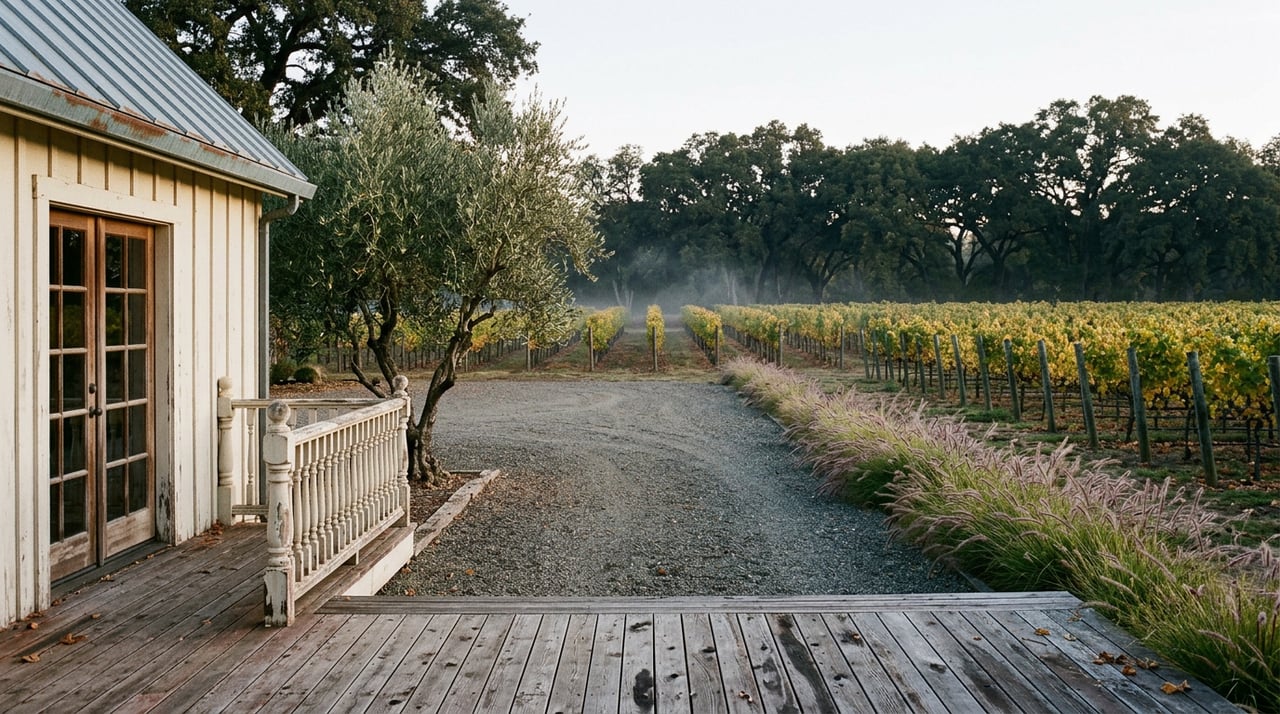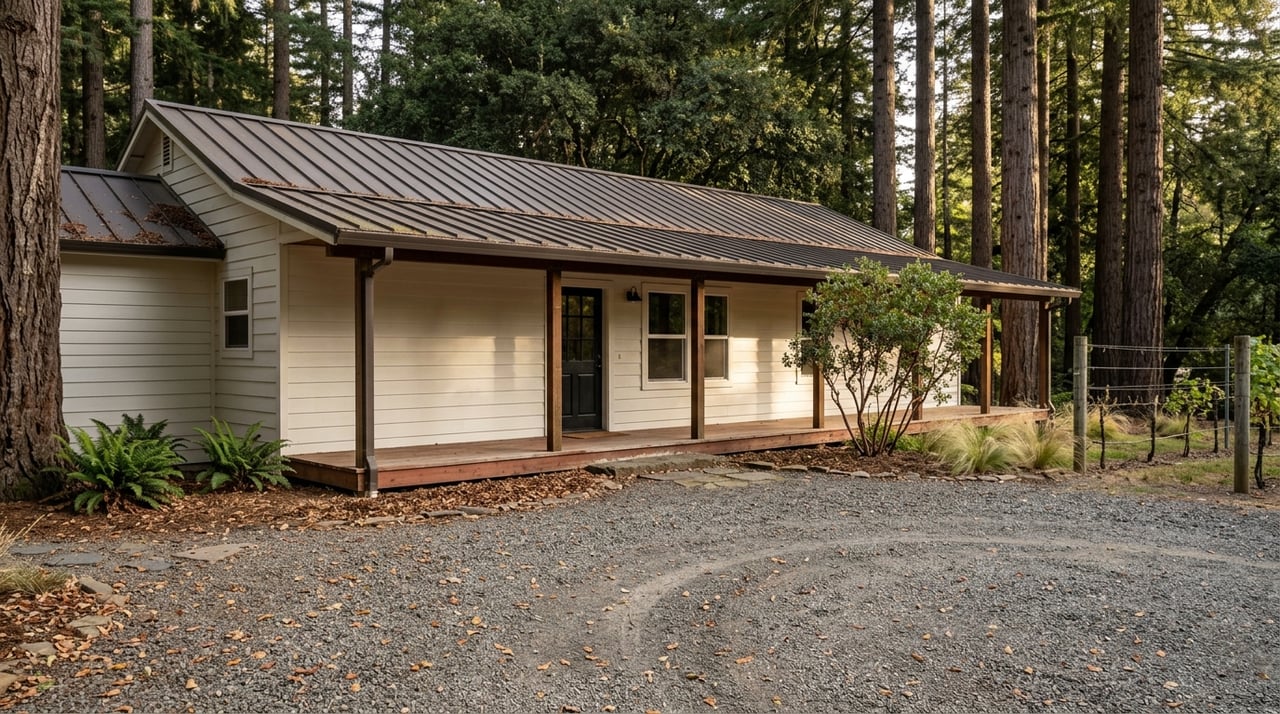
If your ideal wine-country life feels less like a polished resort and more like a place where vineyards, redwoods, and quiet roads shape the day, Anderson Valley deserves a closer look. You may be searching for a second home, a full-time move, or a land-based property that offers both lifestyle and long-term value. This guide will help you understand what daily life in Anderson Valley looks like, why Pinot Noir is central to its identity, and what practical ownership issues matter most before you buy. Let’s dive in.
Why Anderson Valley Feels Different
Anderson Valley is best understood as a rural corridor, not a single town center. Local sources describe it as a 15-mile-long valley in Mendocino County, with the unincorporated communities of Boonville, Philo, Yorkville, and Navarro forming its core. That smaller scale is part of the appeal if you want a quieter wine-country setting with a strong local identity.
The valley sits about 110 miles northwest of San Francisco, which gives you a sense of both access and remove. You are close enough for a weekend rhythm, but far enough away to feel a real change of pace. For many buyers, that balance is exactly what makes the area compelling.
Mendocino County’s broader profile reinforces that rural context. Recent Census QuickFacts show an estimated county population of 88,122 in 2025, an owner-occupied housing unit rate of 61.7%, a median value of owner-occupied homes of $512,200, and a median household income of $68,092. Those numbers point to a market shaped more by land, small communities, and owner occupancy than by dense urban development.
Pinot Noir Shapes the Valley
Anderson Valley is not simply near wine country. It is a federally recognized American Viticultural Area within Mendocino County and the North Coast. That matters because the wine identity here is rooted in place, climate, and long-term agricultural credibility.
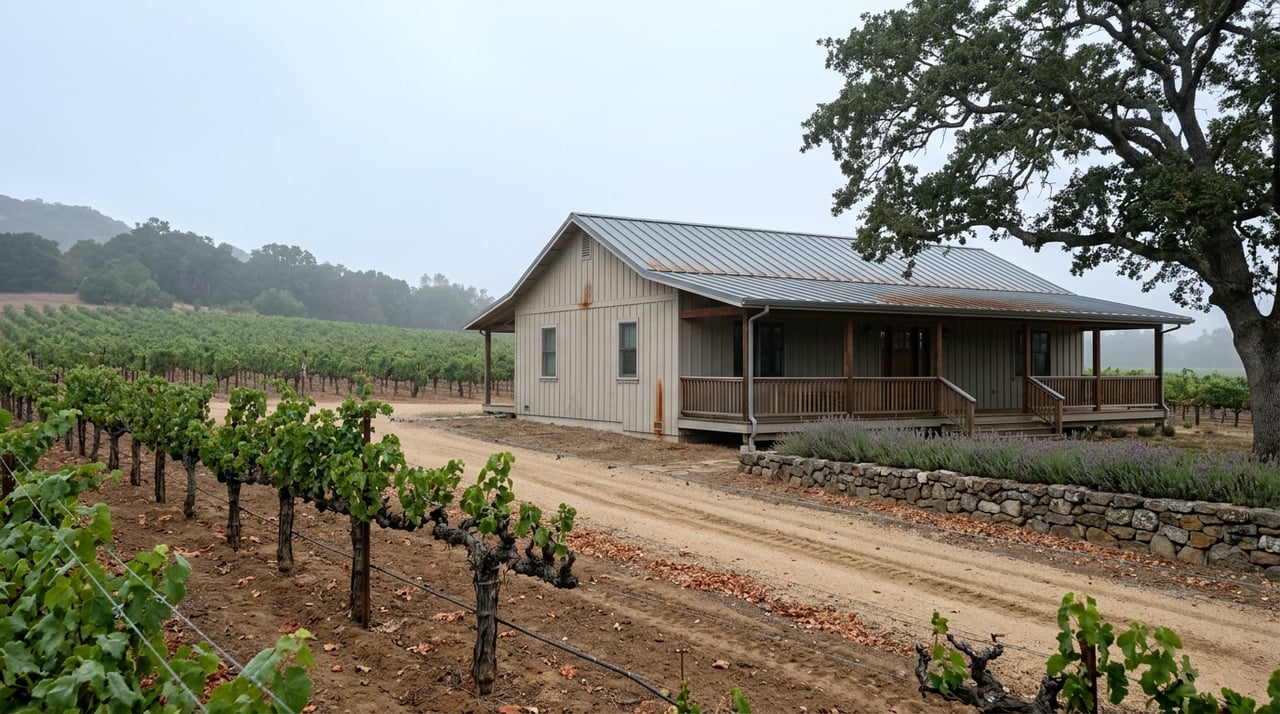
Local wine sources describe the valley as a center for cool-climate Pinot Noir, Chardonnay, sparkling wine, and Alsatian varieties. The Anderson Valley Winegrowers Association reports 2,457 planted acres, 90 vineyards, 62 wineries, and an average temperature of 53 degrees Fahrenheit. For you as a buyer, that translates into a region where viticulture is not a theme. It is part of the working landscape.
Pinot Noir, in particular, has become the valley’s calling card. Mendocino Winegrowers notes that Anderson Valley can experience day-to-night temperature swings of 40 to 50 degrees, with cooler and more marine-influenced sites toward the west near the Pacific. That climate pattern supports the slower ripening and bright acidity that Pinot lovers often seek in coastal-cool expressions.
What Wine Culture Feels Like Here
In Anderson Valley, wine culture tends to feel direct and community-based. The valley’s signature events, including the long-running Pinot Noir Festival and Pinot Noir Celebration, are framed by local wine leaders as opportunities to taste with producers and connect with the region’s wine community. That creates a more personal atmosphere than you might find in busier tasting destinations.
If you are drawn to wine not just as a beverage but as a landscape and way of living, the valley offers that connection in a grounded form. Vineyards are part of the scenery, but they are also part of the local economy and rhythm of the seasons. That can be especially appealing if you are considering a vineyard estate, plantable land, or a second home with an authentic agricultural backdrop.
Nature Is Part of Everyday Life
Anderson Valley’s appeal goes well beyond the tasting room. One of the strongest lifestyle advantages here is immediate access to redwoods, river corridors, and scenic drives that feel woven into daily life. If you want a place where outdoor time is easy to build into your routine, this valley stands out.
Hendy Woods State Park, located about eight miles northwest of Boonville, protects two groves of towering redwoods and offers hiking trails, camping, picnicking, swimming, and river-adjacent recreation. California State Parks also notes that Hendy Woods is warmer and less foggy than many coastal redwood parks. That nuance matters if you picture all redwood settings as chilly or heavily misted year-round.
Navarro River Redwoods State Park extends that nature experience toward the coast. State Parks describes second-growth redwood groves along the Navarro River, with access to camping, kayaking, swimming, beach access, fishing, and hiking. The drive along Highway 128 itself becomes part of the experience, with the river and redwoods shaping the route westward.
Seasons and Daily Rhythm
Life in Anderson Valley is shaped by the land and the seasons. The Anderson Valley Community Services District notes cool, wet winters and hot, dry summers, with a wetter and foggier northwest end closer to the coast. In practical terms, the valley does not feel the same from one end to the other.
That variation can influence everything from how a property feels in the morning to how you think about gardening, vineyard potential, or outdoor living. Eastern areas tend to feel different from western sites, and elevation, exposure, and proximity to marine influence all matter. If you are evaluating acreage, these details become part of the buying conversation, not afterthoughts.
Everyday Services in a Rural Setting
A big part of buying well in a rural area is understanding what supports daily life. Anderson Valley’s institutions are modest, but they are important. The Community Services District provides fire protection and other public services for the valley’s unincorporated communities.
For education, the California Department of Education lists Anderson Valley Unified School District in Boonville. The National Center for Education Statistics classifies it as a rural district with two schools serving grades K through 12 and 382 total students in the 2024-2025 school year. For health care, Anderson Valley Health Center in Boonville offers medical, dental, and behavioral health services and serves as a key anchor for residents.
These details help set expectations. Anderson Valley offers functional local infrastructure, but it does so in a small-scale rural format. If that is what you want, it can feel like a feature rather than a limitation.
Buying Property Means Looking Beyond the View
In Anderson Valley, ownership is often as much about stewardship as lifestyle. Beautiful scenery matters, but so do wells, septic systems, access, fire readiness, and land-use constraints. If you are considering acreage, a vineyard property, or a home with expansion potential, due diligence needs to start early.
Mendocino County Environmental Health oversees on-site sewage systems and water wells. The county states that property owners are responsible for keeping septic permits current. It also notes that accessory dwelling units must have adequate water service and sewage disposal, and that an ADU cannot be built on a septic leach field.
That means parcel layout is critical. A property may look expansive, but the usable building area can be shaped by septic field placement, system capacity, easements, and utility lines. If you are thinking about adding a guest unit, creating more flexibility, or planning for multigenerational use, those site constraints deserve close review.
Fire Readiness Is Part of Ownership
Wildfire planning is a standard part of rural property review in this area. CAL FIRE’s Office of the State Fire Marshal classifies lands into Moderate, High, and Very High Fire Hazard Severity Zones using factors that include vegetation, terrain, fire weather, and fire history. Mendocino County also announced an updated fire-hazard map for local responsibility areas in 2025.
For you as a buyer, this means fire readiness is not optional. Defensible space, home hardening, insurance review, and evacuation access should all be part of your evaluation process. These are practical ownership issues that affect both safety and long-term operating confidence.
Expansion and Coastal-Zone Considerations
If you are buying with future plans in mind, county planning rules matter. Mendocino County’s ADU guidance notes that while sample plans are available, setbacks, parking, wells, septic fields, easements, and utility lines still influence what can be built and where. A property’s flexibility often depends on these physical and regulatory details.
Some parcels along the broader Highway 128 corridor may also extend into the Coastal Zone. In those cases, the county adds more review around water availability, blufftop development, and vacation-home-rental use. Two properties that look similar on paper can involve very different permitting paths depending on exact location.
Who Anderson Valley Suits Best
Anderson Valley tends to resonate with buyers who want a more understated version of wine-country living. If you love Pinot Noir, value privacy, and prefer redwoods, river access, and working vineyards over a busier resort environment, the area offers a distinctive fit. It also appeals to buyers who appreciate that rural ownership comes with real responsibility.
For some, that means a second home surrounded by vines and forest. For others, it may mean a vineyard estate, a plantable parcel, or a country residence with room to breathe. In each case, the right purchase depends on balancing lifestyle goals with a clear understanding of land, infrastructure, and long-term use.
Anderson Valley is compelling precisely because it is not trying to be everything. It is a small, respected wine region with serious Pinot credentials, meaningful access to nature, and a pace that feels rooted in place. If that combination matches what you are looking for, it is worth exploring with care and local insight.
If you are considering a home, vineyard property, or rural estate in Anderson Valley, Kevin McDonald can help you evaluate the lifestyle, land, and due-diligence factors that matter most.
FAQs
What is Anderson Valley in Mendocino County known for?
- Anderson Valley is known for its federally recognized AVA status, cool-climate Pinot Noir, Chardonnay, sparkling wine, Alsatian varieties, and a rural wine-country setting centered around Boonville, Philo, Yorkville, and Navarro.
What is daily life like in Anderson Valley, California?
- Daily life in Anderson Valley is quiet and rural, with small community services, seasonal weather changes, vineyard landscapes, and easy access to redwoods, rivers, and scenic stretches of Highway 128.
What outdoor recreation is available near Anderson Valley?
- Nearby recreation includes hiking, camping, picnicking, swimming, kayaking, fishing, beach access, and redwood experiences at Hendy Woods State Park and Navarro River Redwoods State Park.
What should buyers check before purchasing property in Anderson Valley?
- Buyers should review water supply, well conditions, septic permits and capacity, parcel layout, evacuation access, wildfire readiness, insurance considerations, and any county planning limits that affect future use.
What should buyers know about ADUs in Anderson Valley?
- Mendocino County requires adequate water service and sewage disposal for ADUs, and an ADU cannot be built on a septic leach field, so setbacks, easements, utility lines, and system capacity all matter.
Is Anderson Valley a good fit for Pinot Noir lovers?
- Anderson Valley is especially appealing for Pinot Noir lovers because of its cool-climate identity, strong day-to-night temperature swings, established wine community, and long-running Pinot-focused events.