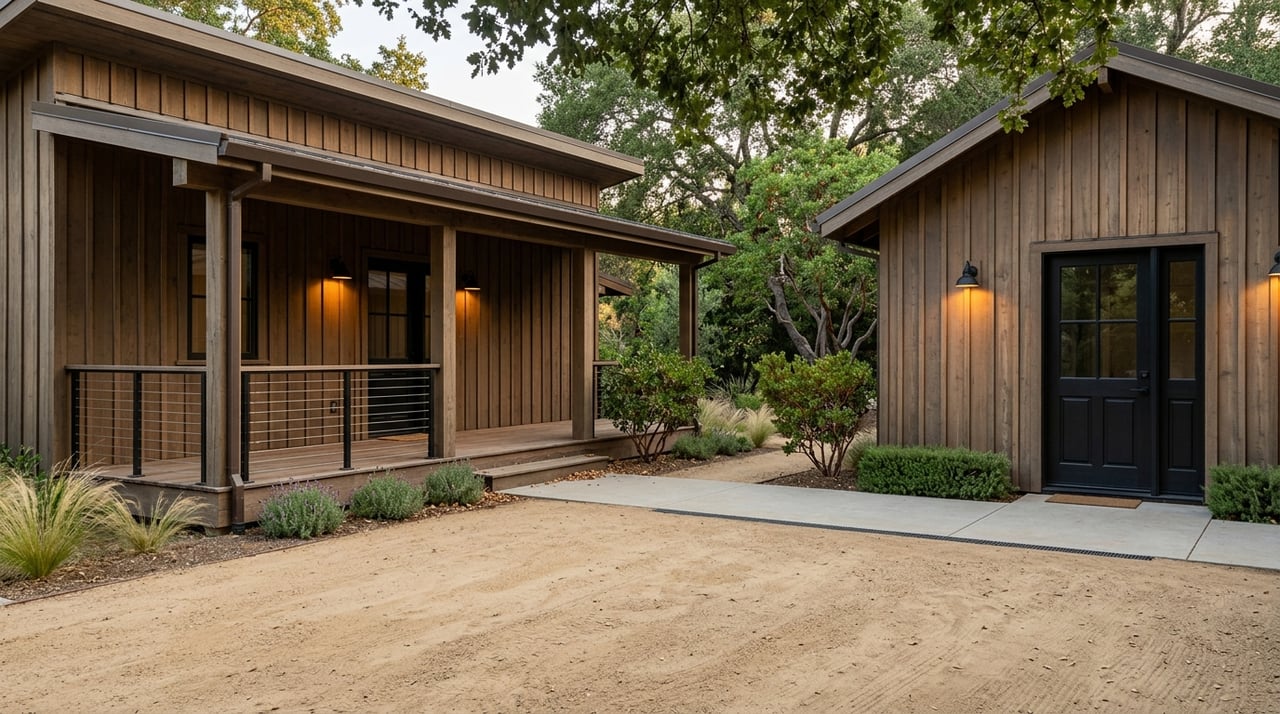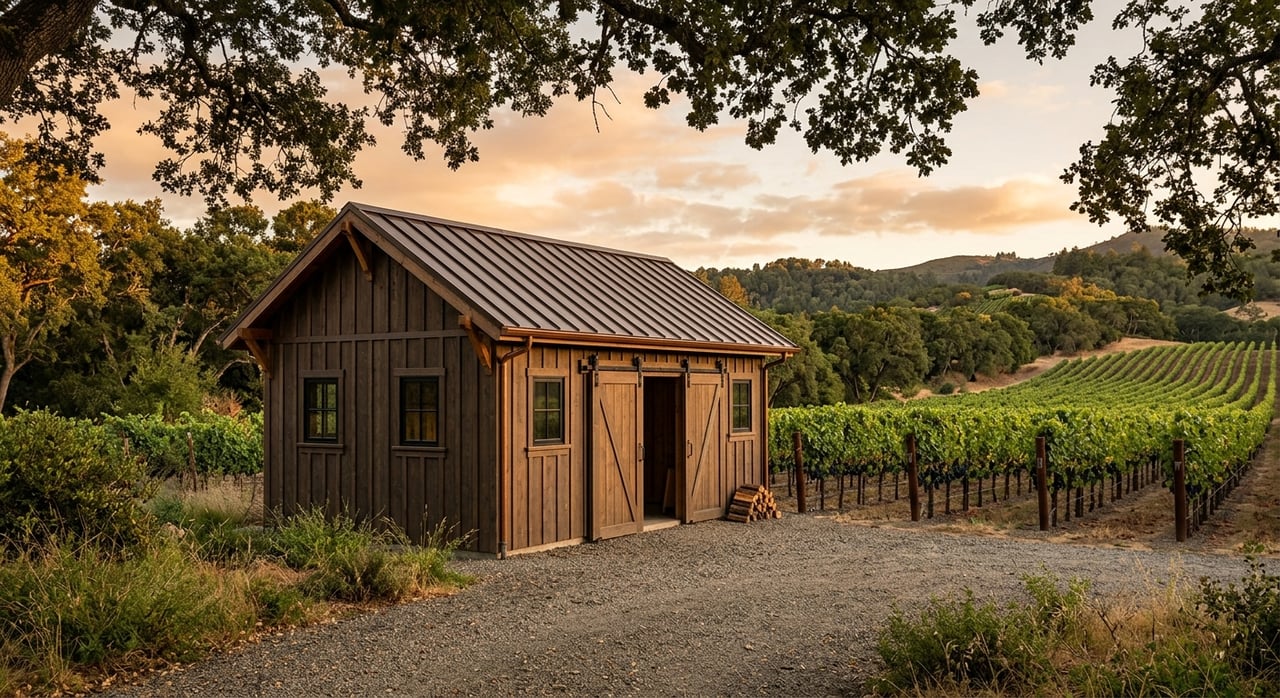
If you are looking at Geyserville for a vineyard estate, ranch, or plantable land opportunity, the appeal is easy to understand. This part of Sonoma County offers real agricultural depth, a recognized wine-growing context, and the kind of rural property variety that can support both lifestyle goals and long-term land strategy. The key is knowing that in Geyserville, the opportunity is real, but it is always parcel-specific. Let’s dive in.
Why Geyserville draws land buyers
Geyserville sits within the Alexander Valley area, one of Sonoma County’s best-known wine-growing settings. Alexander Valley is a federally established American Viticultural Area, first established on October 24, 1984, and that matters if you are thinking about vineyard operations or future wine branding tied to the AVA name.
The broader agricultural context is also significant. Sonoma County’s 2024 crop report put total agricultural production at $857.6 million, with winegrapes alone accounting for $626.6 million. That helps explain why vineyard estates, ranches, plantable acreage, and mixed rural holdings remain central to the local real estate conversation.
For buyers, that means Geyserville is not just scenic. It is a market where land use, agricultural viability, and long-term stewardship often carry as much weight as the residence itself.
Alexander Valley vineyard appeal
For vineyard-minded buyers, Alexander Valley offers a combination of climate and soils that helps shape planting potential. TTB rulemaking describes the valley as warmer from north to south, with fog more common in the southern portion, and notes both alluvial valley-floor soils and upland foothill soils across the AVA.
In practical terms, those conditions help explain why Cabernet Sauvignon is often seen as a natural fit in the area, while other varieties may also work depending on the site. If you are evaluating a parcel, the real question is not whether it is in Alexander Valley, but how its exact location, soils, slope, and water profile support your goals.
That distinction matters whether you want an existing vineyard, a plantable site, or a legacy estate with future agricultural upside. A beautiful setting can be compelling, but productive potential depends on much more than views.
Common property opportunities in Geyserville
Vineyard estates
These properties typically combine residential use with existing vines, open land, or both. They appeal to buyers who want lifestyle value with agricultural identity, especially when the acreage is already established or has a clear operating framework.
In Geyserville, this can mean anything from a polished estate with vineyard blocks to a rural holding where the home is only one part of the asset. Buyers should look closely at zoning, water, wastewater systems, and whether the current use aligns with county rules.
Plantable acreage
Some buyers are not focused on current production. Instead, they want land with future vineyard potential, whether for investment, private use, or a phased development plan.
Here, due diligence becomes especially important. New vineyard development, replanting, and agricultural grading or drainage work in Sonoma County fall under the county’s VESCO and Chapter 36 program, and permits must be approved before work begins.
Ranch properties
Ranch buyers often prioritize open ground, access, fencing, roads, and compatibility with agricultural use. These properties can support grazing and broader land-holding goals, but the details still turn on parcel-specific county standards.
The strongest ranch acquisitions usually begin with a clear plan. If your priority is grazing capacity or long-term rural use, you will want to evaluate the land as working ground first and a residence second.
Mixed-use rural holdings
Some of the most interesting opportunities are mixed holdings that blend a homesite, open acreage, agricultural use, and future flexibility. These can be highly attractive because they allow you to combine lifestyle and utility in one property.
That said, flexibility should never be assumed. Sonoma County’s zoning structure and combining districts can shape what is allowed, what requires review, and what may not be feasible at all.
Zoning shapes what is possible
Sonoma County maps rural land into categories such as LIA, LEA, DA, RRD, AR, and RR. Each district has a different planning purpose, ranging from more intensive agricultural production to rural residential use that still accommodates crops or farm animals.
For example, the county describes LIA as land intended for relatively high production per acre and LEA as land for relatively low production per acre. DA is intended for small-acreage intensive or part-time farming, while RRD is aimed at very low-density development compatible with resource uses and public services.
This is why two parcels with similar acreage can present very different possibilities. The actual zoning district, any combining district, and parcel-specific review will guide what you can build or operate.
Why parcel-specific review matters
County GIS tools are useful for screening, but Sonoma County states that its GIS datasets are illustrative only. In other words, map layers can help you start your search, but they should not be used to make final assumptions about use, setbacks, flood constraints, or development rights.
Geyserville also has local planning context that can affect certain proposals. The community is within one of Sonoma County’s Urban Service Areas, where services like sewer, water, roads, fire, police, and transit are concentrated, and the Geyserville Municipal Advisory Council weighs in on matters such as use permits, rezoning, and General Plan amendments.
For a buyer, the takeaway is simple. Before you underwrite a plan, confirm the actual rules for the parcel in question.
Water and wastewater deserve early attention
For rural property in Geyserville, water and wastewater can quickly move from a checklist item to a central deal issue. Some core parcels may be connected to the Geyserville Sanitation Zone, which began operation in 1978, serves about 177 acres, and is designed for 92,000 gallons per day of average daily dry-weather flow.
Outside that service area, many rural parcels rely on onsite wastewater treatment systems regulated by Permit Sonoma. If a property uses septic, buyers should expect separate county review under the county’s OWTS manual.
Groundwater also requires careful review. Sonoma County’s well program includes conservation requirements, metering and monitoring for many new wells, and possible Public Trust Review Area review for certain applications. If you are considering planting or expanded agricultural use, water should be one of the first issues you evaluate.
Vineyard development is regulated
If your vision includes new vines, replanting, or site improvements, Sonoma County has a clear regulatory structure. The county’s VESCO and Chapter 36 program governs new vineyard and orchard development, replanting, and agricultural grading and drainage.
The county states that growers must meet code standards and best management practice guidelines, and permits must be approved before work begins. For projects in designated critical habitat, a biological assessment or study may also be required.
This does not mean vineyard development is out of reach. It means serious buyers should approach plantable land with a planning mindset, not just a marketing mindset.
Hospitality or winery ideas need separate review
A common mistake is assuming that agricultural land automatically supports tasting rooms, winery activity, events, or hospitality uses. Sonoma County distinguishes between basic agricultural use and higher-intensity support uses.
Some farm retail sales and small-scale agricultural processing may be allowed in agricultural zones, but the simplified allowances specifically exclude alcoholic beverages and public tasting-room alcohol service. If you are buying with a winery, event, or hospitality concept in mind, separate entitlement review is essential.
That distinction can have a major effect on value. A property that works beautifully as a vineyard or ranch may not support the business model a buyer first imagined.
Rural ownership comes with agricultural realities
Sonoma County’s Right to Farm Ordinance is important for buyers to understand. Properly conducted agricultural operations are not considered nuisances, and the county notes that nearby residents should expect ordinary rural impacts such as noise, odors, dust, smoke, insects, machinery at any time, manure handling, and agricultural applications.
For many buyers, this is part of the appeal of owning in a working agricultural area. Still, it is best to enter the market with clear expectations about what day-to-day rural conditions can look and feel like.
If you want a polished wine-country setting without the realities of active agriculture nearby, some properties will fit better than others. This is another reason to define your acquisition thesis early.
Key due diligence issues to prioritize
Wildfire exposure
Wildfire risk is a material issue in Sonoma County. CAL FIRE fire-hazard maps classify land as moderate, high, or very high based on factors like fuels, slope, and fire weather, and Sonoma County also has a defensible-space ordinance that authorizes vegetation and combustible-material abatement.
For buyers, this means wildfire review should be built into the process from the start. Access, vegetation, slope, building materials, and ongoing land management all matter.
Flood-sensitive land
River-adjacent or flood-sensitive parcels may require additional review. In Sonoma County’s F2 floodplain combining district, the decision-maker may require topographic or engineering studies to evaluate flood effects and potential impacts on structures.
This is especially important if you are considering construction, expansion, or significant land improvements. A flood-sensitive parcel may still be desirable, but it should be evaluated with the right consultants.
Williamson Act restrictions
Some parcels may be subject to Williamson Act or agricultural preserve restrictions. Sonoma County code states that uses on a contracted parcel must be consistent with the Williamson Act and the county’s Uniform Rules for Agricultural Preserves and Farmland Security Zones.
The practical takeaway is that tax and land-use benefits may come with operating limits. If a parcel is under contract, you will want to understand exactly how that affects current and future use.
A smart way to frame your search
The most effective Geyserville buyers usually decide what kind of property they actually want before they start chasing listings. That sounds obvious, but it is surprisingly easy to blur lifestyle goals, production goals, and ranch goals into one wish list.
A better framework is to separate your acquisition thesis:
- Lifestyle-first buyers often prioritize views, privacy, a usable homesite, and manageable acreage.
- Production-first buyers should focus on soils, water, access, and permitability.
- Ranch-first buyers should emphasize grazing capacity, roads, fencing, and agricultural compatibility.
When you define the goal first, it becomes easier to eliminate properties that look exciting online but do not support the way you intend to use the land.
Tax notes for vineyard buyers
For some buyers, agricultural tax treatment can influence the long-term economics of a purchase. Sonoma County’s Assessor states that newly planted vineyards are exempt from taxation for the first three years, and new orchards are exempt for the first four years.
That does not replace a full tax review, but it is a useful local consideration if you are modeling a planting project or comparing raw land to an already improved property. In a market where capital planning matters, details like this can shape your timing and strategy.
Why local guidance matters in Geyserville
Because county GIS data are illustrative and many approvals are parcel-specific, buyers should expect to involve the right specialists early in escrow. Depending on the property, that can include an agronomist, a civil or water consultant, and land-use counsel.
That level of coordination is often what separates a smooth acquisition from an expensive surprise. In Geyserville, the best opportunities are rarely simple residential purchases. They are layered rural assets that reward careful analysis and experienced guidance.
If you are considering a vineyard estate, ranch, or plantable parcel in Geyserville, clarity matters as much as vision. The right property can deliver privacy, beauty, agricultural identity, and long-term value, but only when the land, zoning, water, and use case all align. If you want a discreet, informed approach to evaluating these opportunities, Kevin McDonald can help you navigate the search with local insight and white-glove guidance.
FAQs
What types of rural properties are common in Geyserville?
- Common opportunities include vineyard estates, plantable acreage, ranch properties, and mixed-use rural holdings.
What should buyers know about Alexander Valley vineyard potential?
- Alexander Valley has a recognized AVA, varied soils, and climate conditions that often support Cabernet Sauvignon, but actual planting potential depends on the specific site.
What zoning issues matter for Geyserville rural property?
- Sonoma County zoning categories such as LIA, LEA, DA, RRD, AR, and RR can affect what agricultural and residential uses are possible on a parcel.
What wastewater systems are common for Geyserville properties?
- Some core parcels may be tied to the Geyserville Sanitation Zone, while many rural parcels outside that area rely on onsite wastewater treatment systems regulated by Permit Sonoma.
What approvals may be needed for new vineyard development in Geyserville?
- New vineyard or orchard development, replanting, and related grading or drainage work may require review under Sonoma County’s VESCO and Chapter 36 program before work begins.
What rural risks should buyers review in Geyserville?
- Buyers should closely review wildfire exposure, flood-sensitive conditions, water and septic issues, and any parcel-specific land-use restrictions.
What is the Williamson Act in Sonoma County property purchases?
- Some parcels may be under Williamson Act or agricultural preserve restrictions, which can affect allowed uses and should be reviewed early in due diligence.
What tax benefit may apply to newly planted vineyards in Sonoma County?
- Sonoma County’s Assessor says newly planted vineyards are exempt from taxation for the first three years, while new orchards are exempt for the first four years.