Choosing between Healdsburg and Geyserville for a wine‑country estate can feel like choosing between two great vintages. Each place offers a distinct blend of land, lifestyle, and long‑term potential. If you want vineyard‑capable acreage, privacy, and strong amenities, this guide will help you sort the trade‑offs with confidence. You will learn how the markets differ, what to expect from zoning and vineyard rules, where the lifestyle diverges, and which risks to factor into your plan. Let’s dive in.
Healdsburg vs Geyserville: Quick snapshot
Healdsburg highlights
Healdsburg centers on a lively downtown plaza with a dense mix of tasting rooms, galleries, and top restaurants. The dining scene is nationally known, including SingleThread, which has three Michelin stars. The town’s walkable core, year‑round visitor energy, and premium services create a lifestyle premium. Estate parcels very close to town are scarcer, and you usually pay more per developed acre for proximity to the plaza.
Geyserville highlights
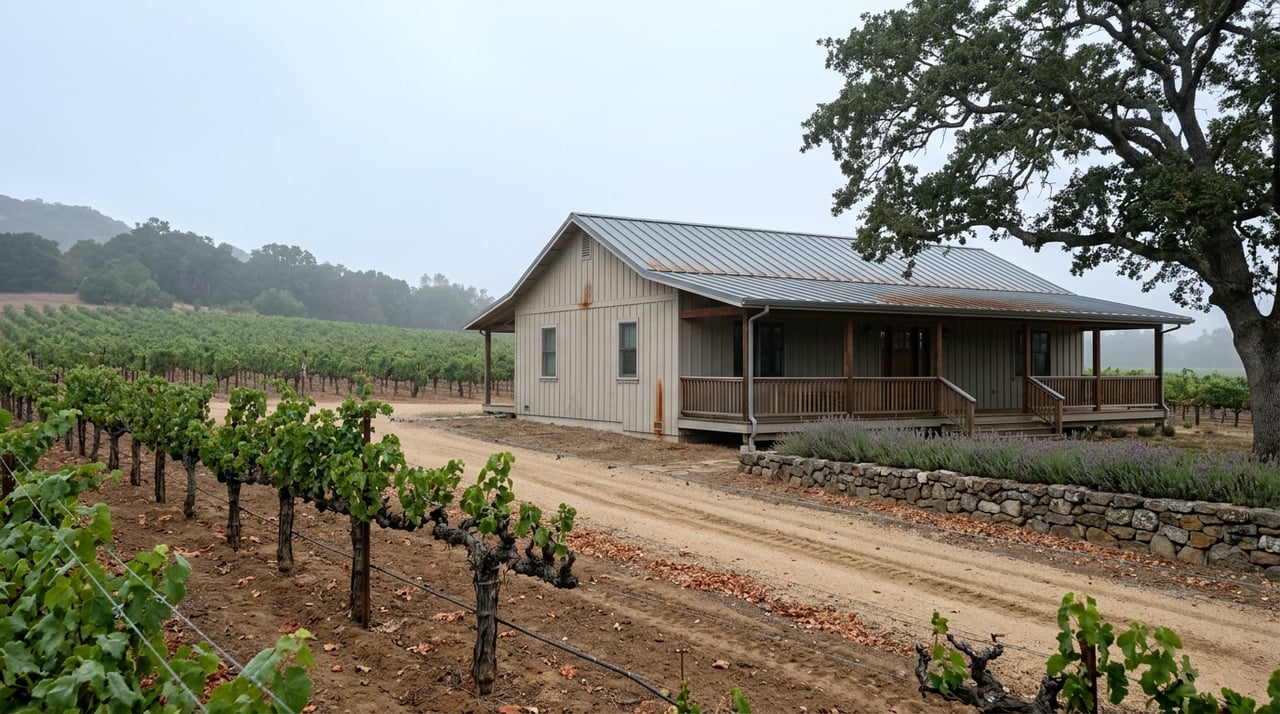
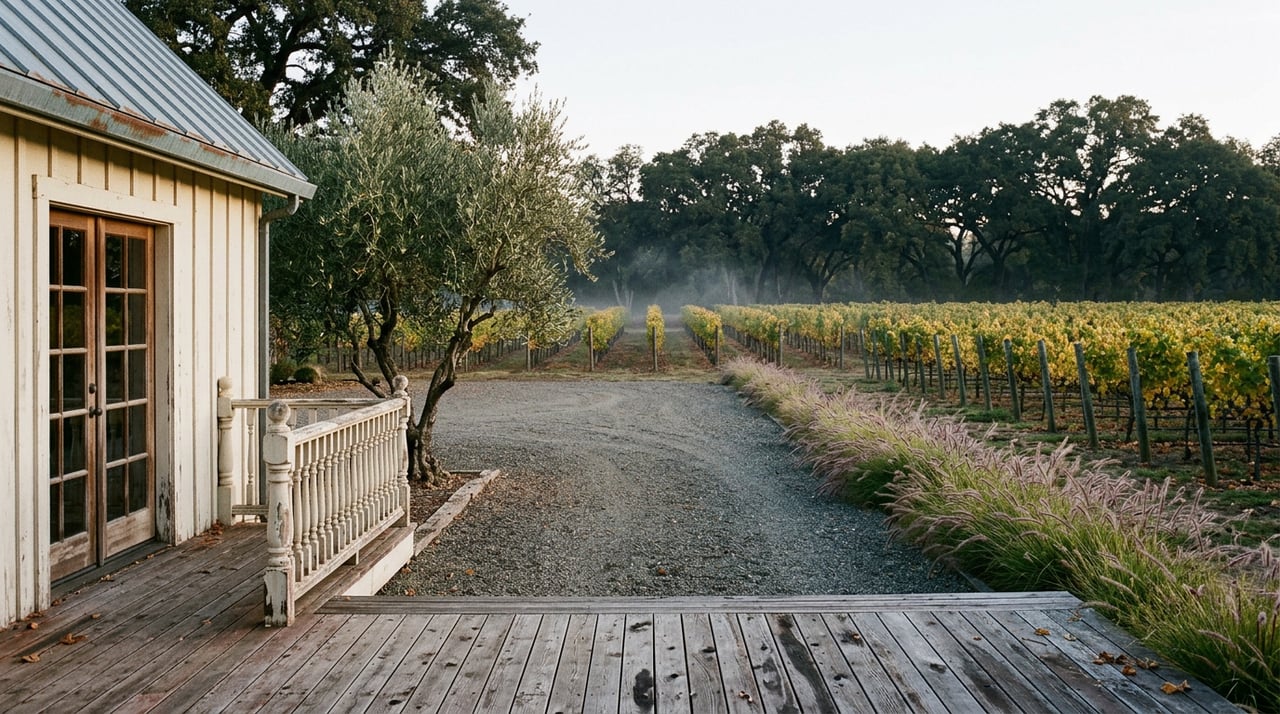
Geyserville, in Alexander Valley, offers a quieter, rural rhythm with larger parcels and more vineyard‑forward estates. You will see properties that span tens to hundreds of acres, with privacy and production potential as leading draws. Day‑to‑day amenities in town are limited, but major wineries and destination experiences are nearby, including the well‑known Francis Ford Coppola winery. If acreage and vine potential matter more than walkability, Geyserville often provides more options per dollar of land.
Market and pricing: What to expect
Healdsburg price dynamics
Aggregated market sites regularly place Healdsburg’s typical sale prices in the low‑ to mid‑seven figures. Estate properties and large‑acreage homes near town often trade above broad medians, and competition is strongest in and around the plaza. Local reporting notes growing inventory and some softening in late 2024 to 2025, though well‑located luxury remains resilient due to limited supply near the core Press Democrat report. For estate‑scale assets, MLS‑level, parcel‑specific comps matter more than citywide medians.
Geyserville price dynamics
Geyserville’s small sample size makes published medians swing widely when a few large transactions close. Typical estate offerings include 15 to 50 plus acres, with occasional 100 plus acre ranch or vineyard parcels, and those big sales can skew monthly figures. Expect wider price dispersion and more variability across sources. For serious evaluation, rely on parcel‑level comps, recent ranch and vineyard transactions, and due diligence on site attributes.
Takeaways for buyers
- Healdsburg: expect higher prices per developed acre and a premium for proximity to walkable amenities.
- Geyserville: expect more acreage‑heavy choices and stronger access to vineyard blocks per dollar, but greater variance in pricing.
- In both: focus on parcel‑specific comps and verify soil, water, slope, and access before setting values.
Land, zoning, vineyard potential
Healdsburg land pattern
Inside Healdsburg city limits, zoning and minimum lot standards limit the number of truly large estate parcels. Many multi‑acre listings with a Healdsburg address sit in unincorporated areas just outside town. Review the city’s zoning and development regulations to understand lot sizes, open‑space districts, and use permissions before you fall in love with a parcel near the edge of town City of Healdsburg zoning page.
Geyserville land pattern
Geyserville lies in unincorporated Sonoma County, where agricultural zoning and occasional Williamson Act contracts help preserve large agricultural holdings. The surrounding Alexander Valley commonly features 40 plus acre parcels and full‑acreage vineyards. Subdivision paths can be more limited here, which helps maintain a rural feel and supports long‑term land scarcity for estate‑scale properties.
Vineyard rules and permits
New vineyard development and replanting in unincorporated Sonoma County are governed by the county’s Vineyard and Orchard Site Development Ordinance, often called VESCO. VESCO categorizes projects by slope and erosivity, requires erosion control plans in steeper areas, sets stream setbacks, and regulates grading and drainage. These rules, together with Regional Water Board policies, influence the timing, cost, and feasibility of new or expanded plantings Regional Water Board overview and Draft EIR.
Vineyard costs to budget
University of California cost studies provide a practical baseline for budgeting vineyard establishment. Region‑specific analyses for Sonoma and Russian River Valley show all‑in establishment costs in the tens of thousands per planted acre by year three, excluding land purchase. Actual costs vary with slope, trellis design, planting density, and water infrastructure, but these studies offer a solid starting point for planning capital needs UC Cooperative Extension cost study.
Water and water rights
Many vineyard and estate parcels rely on wells or surface‑water diversions in the Russian River watershed. Water availability, rights, and seasonal limitations can shape both vineyard operations and any future winery or hospitality plans. Expect permitting and potential CEQA review for certain expansions, and build schedule and cost contingencies into your plan Regional Water Board program materials.
Lifestyle and access
Healdsburg lifestyle
Healdsburg offers a compact, walkable core with refined dining, tasting rooms, boutique retail, and galleries. Its culinary profile is elevated, and the town functions as a year‑round destination that supports hospitality and retail. The amenity density makes it easy to sample many wineries in a single day, which underscores how close the experiences sit to one another Sonoma County tasting overview. Expect premium services, lively weekends, and higher daily convenience.
Geyserville lifestyle
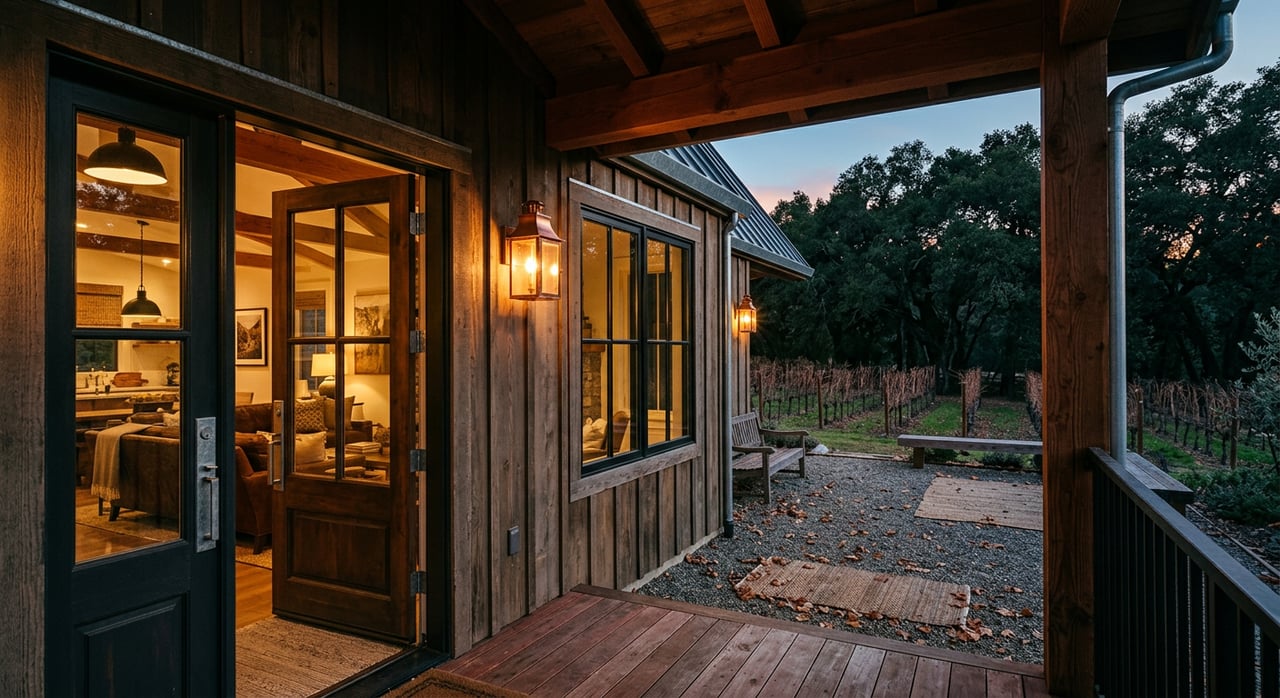
Geyserville’s pace is quieter, with a rural main street and quick access to major Alexander Valley wineries. Dining options are fewer in town, but destination properties and scenic drives define the experience, with privacy as a key part of the appeal. Large‑parcel owners often value space for equipment, storage, and ranch or farm uses over immediate access to a dense dining scene.
Services and connectivity
Healdsburg offers closer access to boutique retail, specialty medical, and regional air service via the nearby Sonoma County airport. Geyserville is more car‑dependent and better suited if you prefer open space and do not mind longer drives for larger retail or certain services. In both places, confirm utilities, internet service, and travel times to your most common destinations.
Investment drivers and risks
What supports long‑term value
Scarcity of vineyard‑capable land near a premier town or inside high‑recognition AVAs has historically supported values. Tourism and dining continue to drive demand for lifestyle estates and private vineyard holdings. Track local development projects, such as Healdsburg’s Mill District, since new hospitality or residential supply can shift neighborhood dynamics over time North Bay Business Journal on Mill District.
Key risks to underwrite
- Wildfire and insurance: Both areas include High or Very High Fire Hazard Severity Zones, which can affect insurance availability, premiums, and financing terms. Review hazard maps and discuss mitigation requirements with insurers early CAL FIRE hazard map for Sonoma County.
- Water and permitting: Vineyard work, drainage, and grading are subject to county and regional requirements. Build time and cost contingencies into any planting or expansion plan Regional Water Board overview.
- Market liquidity: Large estates are bespoke assets, and resale timelines can be longer. Be conservative with any projected income from wine or hospitality operations and plan for extended marketing windows.
Buyer checklist for estates
Use this list to structure due diligence before you write an offer:
- Confirm jurisdiction: city of Healdsburg vs unincorporated county, with the exact zoning that applies Healdsburg zoning and development regulations.
- Map parcel boundaries and APNs, and validate access, roads, and easements in writing.
- Investigate water: well performance, storage, any surface‑water diversions, and water‑right history for irrigation.
- Assess soils and slope: obtain on‑site soil pits and note erosivity and VESCO implications for grading or new plantings.
- Review vineyard status: age of vines, replant timelines, trellis and irrigation condition, and any past permits or erosion control plans.
- Evaluate fire risk: defensible space, vegetation management history, and access for emergency vehicles, then engage insurers early on coverage and mitigation requirements.
- Model carrying costs: property taxes, insurance, maintenance, vineyard amortization, and labor. Use UC cost studies as a baseline for vineyard establishment and maintenance planning.
- Plan operations: distance to labor, equipment storage, and proximity to crush facilities or custom‑crush partners if you plan to produce wine.
Which is right for you
If you want a walkable, culinary‑driven lifestyle with easy access to tasting rooms, Healdsburg tends to reward you with convenience and strong town energy. If your priority is acreage, vineyard blocks, and privacy, Geyserville and the surrounding Alexander Valley often deliver more land and production potential per dollar. Both can be excellent long‑term holds when you align the parcel’s soils, water, and slope with your goals and underwrite wildfire, permitting, and operating costs with care. If you would like parcel‑level guidance and vetted specialists for soils, water, and vineyard planning, connect with Kevin McDonald for a discreet, expert consultation.
FAQs
What is the main difference between Healdsburg and Geyserville for estates?
- Healdsburg offers a higher‑amenity, walkable town core with fewer large parcels, while Geyserville offers larger, more rural acreage with stronger vineyard‑per‑dollar potential.
Are vineyard plantings in Alexander Valley and Dry Creek subject to permits?
- Yes, new plantings and certain replanting or grading in unincorporated Sonoma County fall under VESCO and related Regional Water Board requirements.
How much should I budget to establish a new vineyard acre?
- UC studies show establishment costs in the tens of thousands of dollars per planted acre by year three, excluding land, with site conditions driving variance.
How significant is wildfire risk near Healdsburg and Geyserville?
- Both areas include High or Very High Fire Hazard Severity Zones; risk influences insurance terms and should be underwritten with mitigation and contingency plans.
Will buyer demand remain strong for wine‑country estates near Healdsburg?
- Scarcity of vineyard‑capable land near a premier town and recognized AVAs, plus tourism and dining, have historically supported demand, though market cycles still apply.