If your idea of a second home starts with quiet mornings, unhurried afternoons, and easy access to wine country without the rush, Calistoga deserves a close look. This small Napa Valley city has a pace that feels different from many better-known getaway markets, and that difference matters when you want a home that truly functions as a retreat. Below, you’ll get a grounded look at what makes Calistoga appealing, what kinds of homes you’re likely to find, and what practical details should shape your search. Let’s dive in.
Why Calistoga Feels Different
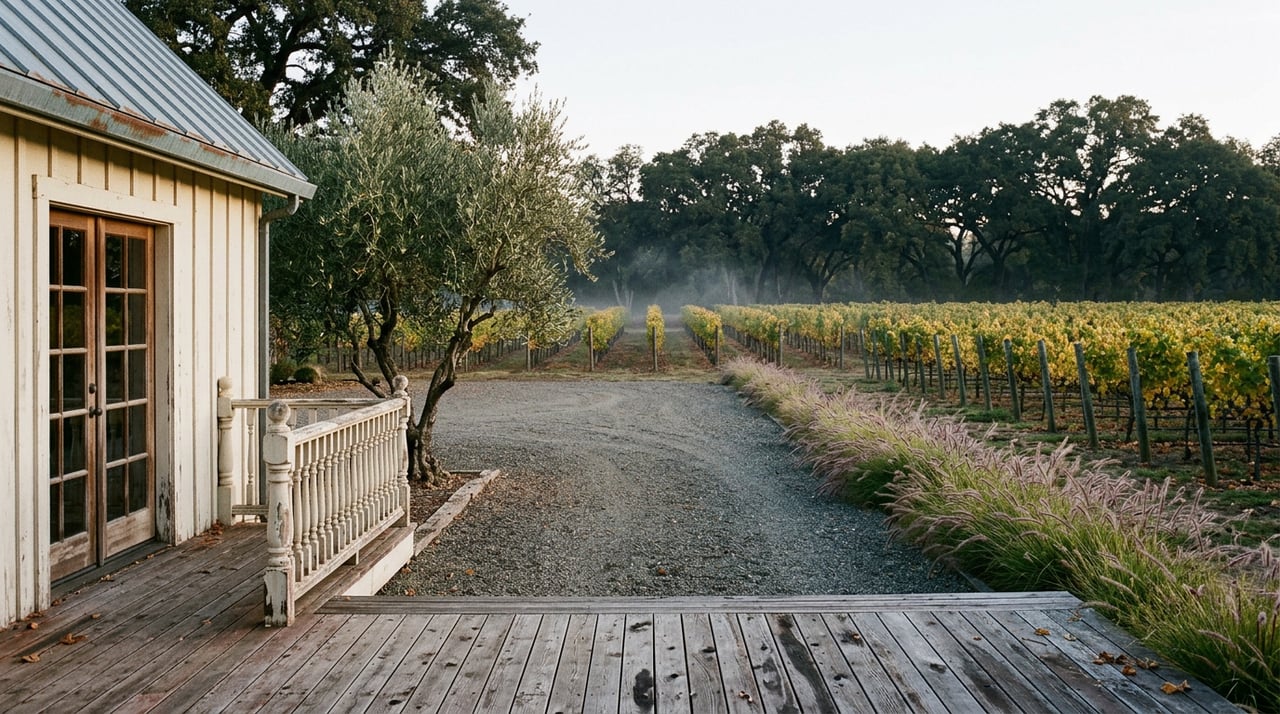
Calistoga sits at the north end of Napa Valley and combines small-town scale with a long-established visitor culture. The city describes itself as having small-town charm with the sophistication of a European spa, while local visitor resources highlight geothermal hot springs, mud baths, vineyards, and a notably relaxed pace. For many buyers, that creates a retreat setting that feels restorative rather than performative.
It is also a genuinely small community. According to the 2020 Census profile provided by the City of Calistoga, the city had 5,228 residents, 2,108 households, and a 55% owner-occupancy rate. Household sizes also skew smaller, which supports the sense that Calistoga often fits solo owners, couples, and buyers looking for a manageable wine-country base.
Retreat Living Works Here
A relaxed retreat is not only about scenery. It is also about how easy a place is to use. Calistoga’s economy has long been shaped by arrivals, short stays, and hospitality, with the city reporting transient occupancy tax collection from 42 lodging establishments with 690 rooms. That established rhythm helps explain why the town feels well suited to spa weekends, tasting trips, and repeat visits throughout the year.
Access also supports second-home ownership. The city notes that Sonoma County Airport is about 30 minutes away, while Oakland, Sacramento, and San Francisco International Airports are about 90 minutes away. If you are buying from the Bay Area or planning to fly in regularly, that kind of connectivity can make ownership more realistic.
What Daily Life Can Feel Like
The easiest way to understand Calistoga is to picture a slower routine. Visit Calistoga describes downtown Lincoln Avenue as the center for many restaurants, tasting rooms, and shops, while Washington and Lake streets have a more spa-oriented feel. Silverado Trail, by contrast, tends to offer a more secluded setting with vineyard views.
That gives you a few distinct ways to use a home. You might want a property near the more walkable core, where you can leave the car parked and enjoy an easy weekend rhythm. Or you may prefer a lower-density setting that feels more private and quiet, especially if your goal is to disconnect.
Climate plays a role too. The Calistoga Wine Growers Association describes the area as warm to very hot in summer and early fall, with daytime peaks above 100 degrees, cooler afternoon and evening breezes, and annual valley-floor rainfall typically ranging from about 22 to 50 inches. In practical terms, many owners will naturally lean into early mornings, slower afternoons, and evenings outdoors once temperatures ease.
The Housing Mix May Surprise You
Many buyers start with a narrow picture of Calistoga housing, often imagining only luxury vineyard estates. In reality, the local housing stock is more varied. According to the city’s 2023-2031 Housing Element, 48.3% of homes are single-family detached, 24.9% are mobile homes, 10.2% are small multifamily buildings with two to four units, 13.0% are multifamily buildings with five or more units, and 3.7% are single-family attached.
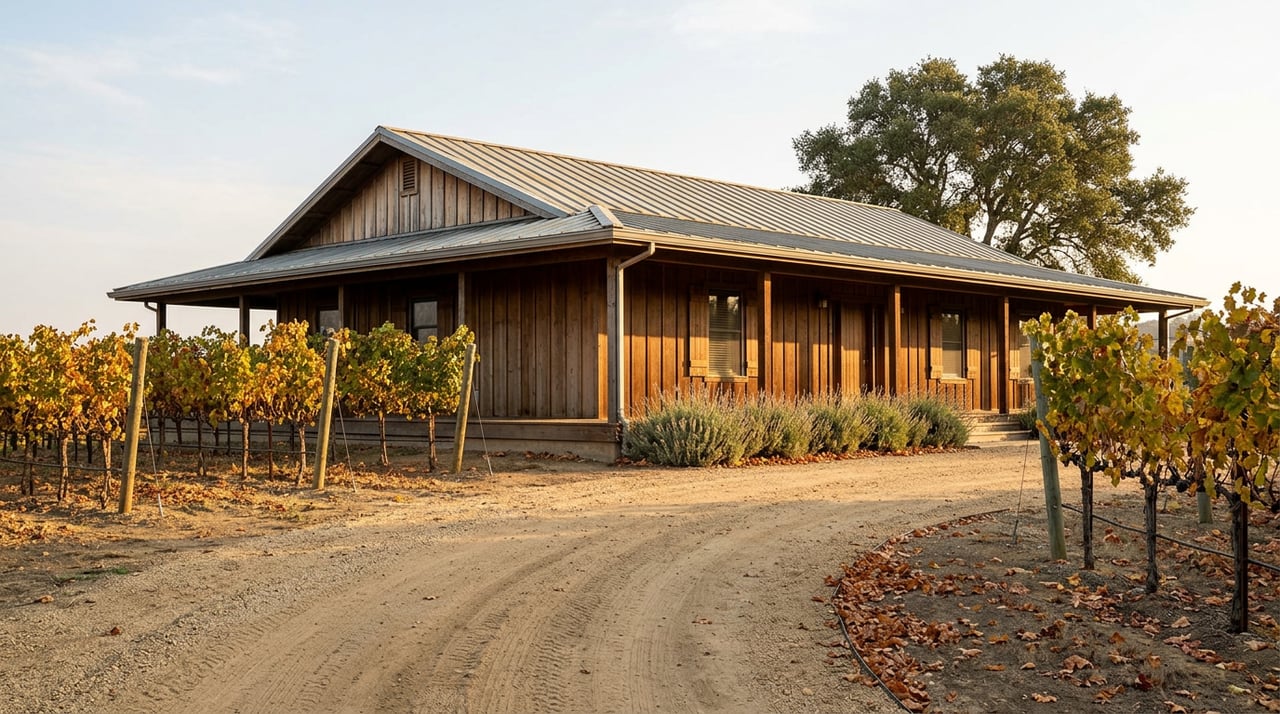
That matters if you are defining what a retreat means for you. A Calistoga getaway does not have to be an expansive estate to feel special. Depending on your goals, a lower-maintenance home in town, a residence in a quieter hillside setting, or a property with more land and privacy could all fit the same lifestyle objective.
The same housing document also notes that the general plan includes rural residential-hillside and rural residential designations. For buyers who want a retreat experience with more separation from downtown activity, that is an important signal that the market extends beyond the central grid.
Older Homes Bring Character and Upkeep
One of Calistoga’s strengths is also one of its biggest ownership considerations. The Housing Element reports that about 46% of the housing stock is more than 60 years old, and only 1.4% was built in 2010 or later. Older neighborhoods can carry historic character and a distinct sense of place, but they often require more ongoing maintenance.
If you are shopping for a second home, this should shape your due diligence from the beginning. Older properties may offer the charm you want, but they can also involve more attention to systems, deferred maintenance, and seasonal upkeep. A relaxed retreat feels best when the ownership model matches the realities of the property.
Part-Time Ownership Is Already Part of the Pattern
Second-home buyers often want to know whether they are entering a market where part-time ownership is unusual. In Calistoga, the vacancy pattern suggests it is already a recognizable part of the local housing landscape. Bay Area census data shows that of the city’s 2,392 housing units in 2020, the largest vacancy category was seasonal, recreational, or occasional use, with 134 units.
That does not mean every occasional-use property functions the same way, but it does indicate that part-time ownership is not out of step with how some homes are already used here. For a buyer seeking a wine-country base rather than a primary residence, that context can be helpful.
Seasonal Use Fits the Town’s Rhythm
Calistoga lends itself to repeat visits across the year instead of one single peak season. Visitor programming promoted by Visit Calistoga includes winter spa-and-wine experiences, summer wellness events, and playful downtown gatherings. That type of calendar supports the idea of a home you can enjoy for short resets, harvest-season stays, and quieter off-season weekends.
This is one reason Calistoga can work so well as a retreat. The town offers enough activity to make visits feel rewarding, but not so much that every trip needs a packed itinerary. You can use the home simply, which is often the real luxury.
Pricing Requires a Measured View
Because Calistoga is a small market with limited inventory, pricing snapshots can vary meaningfully. The research provided shows Zillow reporting a median list price of $1,832,667 at the end of February 2026, while other sources in the report placed listings and sales at different levels. In a market this size, individual properties can influence the numbers more than they would in a larger city.
For you as a buyer, the key takeaway is not one headline price point. It is that Calistoga sits firmly in the upper-price range, and values should be read in the context of low inventory, property uniqueness, condition, privacy, and use potential. A careful property-by-property analysis matters more here than broad averages.
Short-Term Rental Plans Face Real Limits
If you are hoping to offset carrying costs with nightly or weekend rentals, this is one of the most important issues to understand early. The city’s ADU guidance states that Calistoga does not allow short-term rentals. It also notes that ADUs and JADUs may be rented for 30 days or more if the owner obtains a business license.
That means the most realistic ownership model is usually personal use, longer-term occupancy, or a hybrid plan built around extended stays rather than high-turnover vacation rental income. If your vision depends on Airbnb-style flexibility, Calistoga’s rules are a major constraint and should be treated as such.
Wildfire Readiness Should Shape Your Search
In wine-country and rural-adjacent markets, lifestyle appeal and land stewardship go together. In Calistoga, wildfire preparedness is an ownership issue you cannot treat as secondary. The city’s fire safety guidance explains that updated Fire Hazard Severity Zone maps are in place, disclosure is required at sale in moderate, high, and very high zones, and Wildland-Urban Interface standards apply to new construction in high-hazard areas.
The city also emphasizes defensible space and weed abatement. If you are considering an older home, a hillside site, or a property with more land, this should be part of your evaluation alongside design, views, and privacy. A retreat property works best when it is both beautiful and realistically manageable.
How to Search More Strategically
If you are serious about owning a relaxed retreat in Calistoga, it helps to define your priorities in a clear order before you tour homes. This market rewards focus.
Start with questions like these:
- Do you want walkability to dining, tasting rooms, and shops?
- Would you rather have a more secluded setting with vineyard or hillside context?
- How much maintenance are you comfortable managing in an older home?
- Are you buying mainly for personal use, or do you need longer-term occupancy flexibility?
- How important are airport access and easy weekend arrivals?
- Are wildfire zone disclosures and property-hardening needs compatible with your goals?
When you answer those questions honestly, your search usually becomes much more efficient. In a small, nuanced market like Calistoga, clarity beats volume.
Why the Right Guidance Matters
Calistoga can be a compelling place to own a second home because it offers something many lifestyle markets do not: a setting that feels established, restorative, and easy to return to again and again. At the same time, the housing stock is varied, many homes are older, short-term rental assumptions can be misleading, and property-level due diligence matters.
That is why expert guidance is especially valuable here. Whether you are comparing an in-town residence with a more secluded wine-country property or weighing condition, hazard disclosures, and long-term usability, the right strategy helps you buy with confidence. If you are considering a Calistoga retreat or another wine-country lifestyle property, Kevin McDonald can help you evaluate the opportunity with discretion, clarity, and local market perspective.
FAQs
What makes Calistoga appealing for a second-home buyer?
- Calistoga offers a small-town setting known for geothermal hot springs, spa culture, vineyards, and a slower pace, which makes it well suited to buyers looking for a true retreat experience.
What types of homes can you find in Calistoga?
- Calistoga has a varied housing mix that includes single-family homes, mobile homes, attached homes, and multifamily properties, along with lower-density residential settings beyond downtown.
What should you know about older homes in Calistoga?
- A large share of Calistoga’s housing stock is more than 60 years old, so buyers should expect character but also plan for maintenance, repairs, and thorough due diligence.
Can you use a Calistoga home as a short-term rental?
- No. The city states that short-term rentals are not allowed, and ADUs or JADUs may only be rented for 30 days or more with the proper business license.
What wildfire issues matter when buying a home in Calistoga?
- Buyers should review fire hazard zone disclosures, understand defensible space expectations, and consider how site conditions, vegetation, and home age may affect ongoing ownership responsibilities.
Is Calistoga a practical fly-in retreat location?
- Yes. The city says Sonoma County Airport is about 30 minutes away, and Oakland, Sacramento, and San Francisco International Airports are about 90 minutes away, which supports weekend and seasonal use.