If you are exploring a Napa County estate, where you buy changes what you can build, grow, and enjoy. Valley floor, benchlands, and hillsides each offer a different mix of access, terroir, regulations, and long-term costs. The good news is you can align the right sub-region with your goals, whether you want a private retreat, a small-production label, or a full vineyard or winery operation. This guide breaks down the three bands, the rules that shape them, and how to buy with clarity. Let’s dive in.
Napa’s three estate bands
Valley floor basics
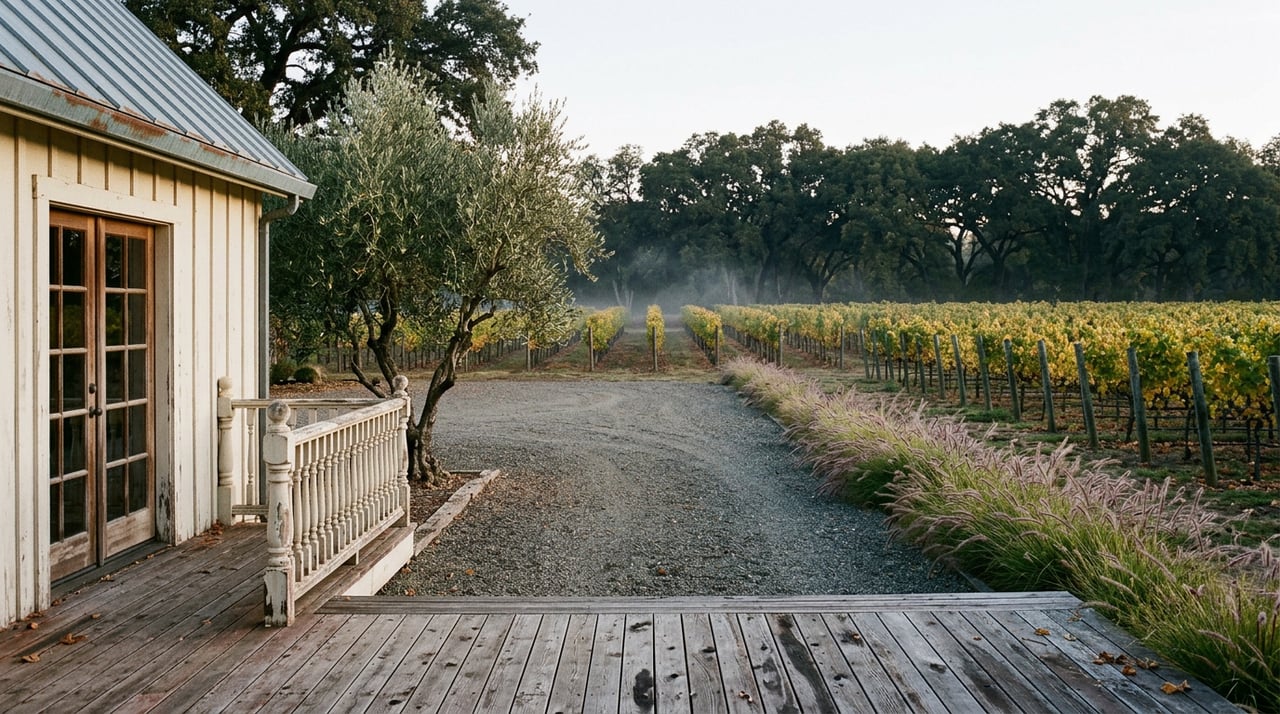
Valley floor parcels sit on broad, lower elevations with deeper river and alluvial soils. These soils can be more fertile and hold more water, which often makes them easier to farm and to build on compared to steeper terrain. Some sites may need vigor management for vines, since fertile soils can encourage larger canopies and higher yields unless controlled. These patterns reflect the North Bay’s geologic and soils profile and are common in valley-floor settings across Napa (North Bay geology and soils overview).
Climate on the floor varies. The south end is cooled by marine air, while central and northern pockets see stronger day to night swings that favor Bordeaux varieties. You will also find cooler areas like Carneros that suit Pinot Noir and Chardonnay, and warmer areas that suit Cabernet and other reds. For a quick overview of Napa’s AVAs and climate influences, start with the industry resources from Napa Valley Vintners (AVA and climate background).
For estates, the valley floor often means easier access to towns and services, wider building pads for homes and amenities, and simpler logistics if you plan limited visitor activity with a use permit. Production buyers may appreciate higher yields, though many sites still need careful canopy work to hit quality targets.
Benchlands advantages
Benchlands are the gently raised alluvial fans and terraces at the base of the mountains, such as the well known Rutherford and Oakville benches. These areas feature well drained, gravelly loams that moderate vine vigor and encourage deep rooting. In Napa, these soils are strongly associated with high quality Cabernet profiles and classic texture and tannin signatures (five great vineyard soils).
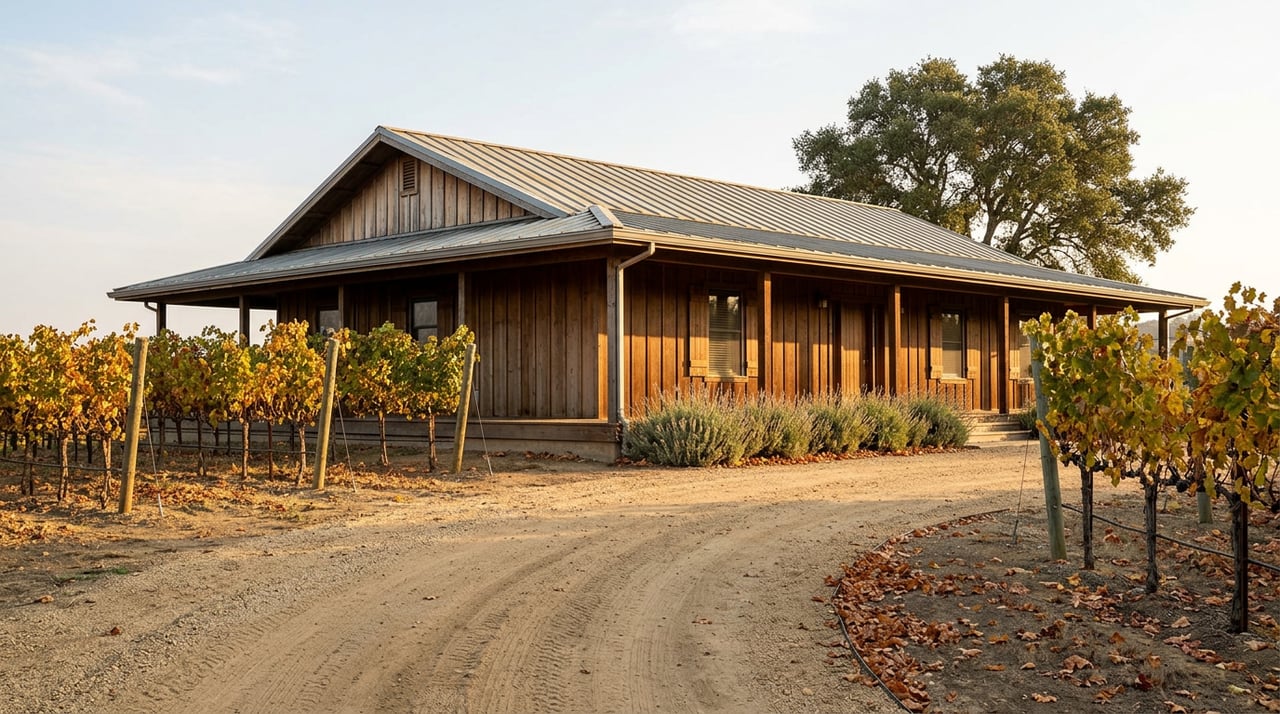
If you want to build a vineyard reputation or a small label, bench parcels carry real marketing value. Buyers often seek these sites for terroir credibility and for the potential label recognition that comes with a benchland address. Benchlands usually balance farmability and buildability, which is why they are among the most competitive micro-markets for premium estates.
Hillside and mountain character
Hillside and mountain parcels occupy steeper slopes and ridgelines along the Mayacamas and Vaca ranges, including areas like Howell Mountain, Spring Mountain, Diamond Mountain, and Mount Veeder. Soils here tend to be thinner, rockier, and volcanic or mélange derived, with excellent drainage and distinct microclimates by elevation and aspect. These conditions often yield lower tonnage, smaller berries, and thicker skins that can translate to concentrated, ageworthy wines. Farming is more intensive and mechanization is limited on steep slopes (nested AVA context and mountain terroir).
For estates, hillsides offer privacy, views, and the chance for a premium single vineyard identity. The tradeoffs are higher planting and operating costs, more complex engineering for roads and pads, and added fire mitigation and insurance considerations.
How terroir shapes your plan
- If you want a lifestyle retreat with easy access to dining and services, the valley floor often fits best. You can usually find broader build envelopes for guest spaces, pools, and outdoor living, with less complex site work than a steep slope typically needs.
- If you want vineyard credibility and marketing value for Cabernet and other Bordeaux varieties, benchlands are a strong choice. Soils here are widely associated with high end Napa Cabernet and carry clear branding advantages (bench soils and Cabernet profiles).
- If you want a private, dramatic site and small lot, high character fruit for a focused label, look to mountain AVAs. Expect lower yields and higher farming and fire mitigation costs in exchange for distinctive site expression (nested AVA context and mountain terroir).
Rules that shape what you can do
Winery Definition Ordinance
Napa County treats wineries as agricultural processing uses and controls marketing, visitor activity, and minimum lot sizes through the Winery Definition Ordinance and General Plan policies. Many new wineries and expansions require a use permit, and visitor programs must remain accessory to production. If you plan a tasting room, events, food service, or lodging, verify the latest standards and required approvals with Planning, Building and Environmental Services (PBES) early (county policy documents, WDO background and land use provisions).
Groundwater, wells, and irrigation
Napa County adopted a Groundwater Sustainability Plan for the Napa Valley Subbasin in 2022 and is implementing monitoring and management under SGMA. If you plan a new well or significant irrigation, include potential monitoring, reporting, and management measures in your plans (Groundwater Sustainability Plan). The county has also announced new groundwater sustainability fees planned to start in FY 2026 to 2027, which agricultural users should include in future operating budgets (groundwater fee update).
Hillside and erosion controls
Steeper sites trigger stricter erosion and sediment control standards. Napa’s hillside rules and the General Plan influence where you can place vineyard blocks, roads, and build pads, and they add engineering and permitting costs for slope work. If you are eyeing a ridgeline or steep parcel, engage qualified engineers and vineyard specialists early to understand feasibility and costs (hillside and erosion control overview).
Wildfire hazard, defensible space, and building
Cal Fire updated Fire Hazard Severity Zone maps in 2025, and many Napa areas are now mapped as high or very high hazard. Counties must adopt or be more restrictive than those maps, which can mean defensible space work, ignition resistant construction, and maintenance requirements. These rules affect insurance underwriting, building materials, and landscape budgets, especially on bench and hillside parcels. Always confirm a parcel’s FHSZ status and county code obligations before you buy (FHSZ update and county guidance).
Market signals and pricing context
Prime Napa vineyard land commands global attention. Industry and local press reporting place many desirable valley and bench sites in the broad range of about 300,000 to 500,000 dollars per planted acre, with rare, highly branded parcels reaching or exceeding 1,000,000 dollars per acre. Actual values vary by planted acres, brand, water, access, and on site improvements like homes and winery facilities (Napa vineyard pricing context).
What this means for you:
- Benchland parcels with proven vineyard performance and nearby infrastructure tend to command premiums.
- Remote hillsides with top quality fruit potential can achieve strong per planted acre pricing, but higher capital and operating costs change total returns.
- Lifestyle estates on the valley floor may balance buildability and access with more modest per vineyard acre premiums if vines are not the primary driver.
Quick micro-market guide
- Lifestyle proximity and dining access: Yountville, Oakville, Rutherford, and central St. Helena offer short drives to tasting rooms and restaurants, with Yountville known for a strong hospitality cluster (Napa Valley Vintners overview).
- Production focused benchland terroir: Rutherford, Oakville, Oak Knoll, and parts of St. Helena are associated with well drained bench or valley floor soils prized for Cabernet and blends (bench soils and Cabernet profiles).
- Privacy and mountain identity: Spring Mountain, Howell Mountain, Diamond Mountain, and Mount Veeder attract buyers seeking elevation, views, and distinctive single site expression (nested AVA context and mountain terroir).
Due diligence checklist
Before you write an offer, confirm these items. Each can change value, permitted uses, and operating costs.
- Zoning and permits. Review AP or AW zoning, any existing winery or use permits, and how the WDO applies to your plans. Confirm early with PBES (county policy documents).
- Water and wells. Pull well records and capacities, and understand how the Napa Valley Subbasin GSP may affect pumping, monitoring, and future fees (Groundwater Sustainability Plan, groundwater fee update).
- Soils and suitability. Use NRCS soil maps and order site specific soil pits, permeability and septic testing, and geotechnical reports for hillside sites. Local soil mapping is an authoritative screening tool, and the county often requires on site tests for approvals.
- Wildfire and access. Check FHSZ designation, defensible space duties, and roadway standards for safe ingress and egress. Include likely vegetation management and any road improvement costs in your pro forma (FHSZ update and county guidance).
- Vineyard health. Ask for vine age, rootstock, planting density, harvest records, grape sale contracts, and any smoke, flood, or erosion event history.
- Easements and restrictions. Confirm conservation or scenic easements, ag preserve designations, private road agreements, and CC&Rs that limit use (county policy documents).
- Insurance and operating costs. Request wildfire insurance quotes and coverage options for the parcel’s mapped hazard zone. Expect higher premiums or limits in some zones.
- Timeline and discretionary risk. Estimate time and cost for any winery use permit, CEQA review if required, and county hearing cycles. These can extend project schedules (county policy documents).
Next steps to move forward
- Clarify your primary goal. Decide if your priority is a private retreat, a small production estate with limited marketing, or a commercial winery with a visitor program. Your goal steers you toward the right band and AVAs.
- Set expert calls. Schedule conversations with a Napa area broker experienced in vineyard and estate deals, PBES planning staff for a pre application chat, and a viticulturist who can evaluate soils, water, and varietal fit for target parcels (county policy documents).
- Order early reports. For any short list property, pull soil maps, check the parcel’s FHSZ status, and compile well and water histories. Add projected GSP fees and defensible space work to your operating plan.
- Value the land and the story. Ask for comps that break out land versus improvements. In Napa, small shifts in AVA, soils, and access can move per acre pricing by large amounts. Benchland or single-vineyard branding potential can justify premiums.
If you are weighing lifestyle, vineyard, or hospitality use cases, you do not have to navigate Napa’s nuances alone. For a confidential consultation and a strategic search tailored to your goals, connect with Kevin McDonald. You will get clear guidance on terroir, due diligence, and deal structure, plus white glove representation with global reach.
FAQs
What are Napa’s three estate bands and why they matter
- The valley floor, benchlands, and hillsides have different soils, climates, rules, and costs, which directly affect buildability, vineyard quality, visitor use permits, and long-term operating budgets.
How winery rules affect new tasting rooms in Napa County
- Many visitor-serving activities require a use permit under the Winery Definition Ordinance and must stay accessory to production, so you should confirm your tasting room, events, or food plans with PBES early.
How wildfire hazard mapping impacts Napa estate ownership
- High or very high Fire Hazard Severity Zones trigger defensible-space work, insurance implications, and ignition-resistant building standards that you should budget for before you buy.
Typical per-acre vineyard pricing in Napa County
- Industry reporting often places many desirable valley and bench parcels around 300,000 to 500,000 dollars per planted acre, with rare, highly branded sites exceeding 1,000,000 dollars per acre, depending on improvements and brand.
Hillside vineyard costs compared to valley floor sites
- Hillside parcels usually cost more to develop and farm due to terracing, erosion control, limited mechanization, and fire mitigation, and they often yield less fruit compared to many valley-floor sites.