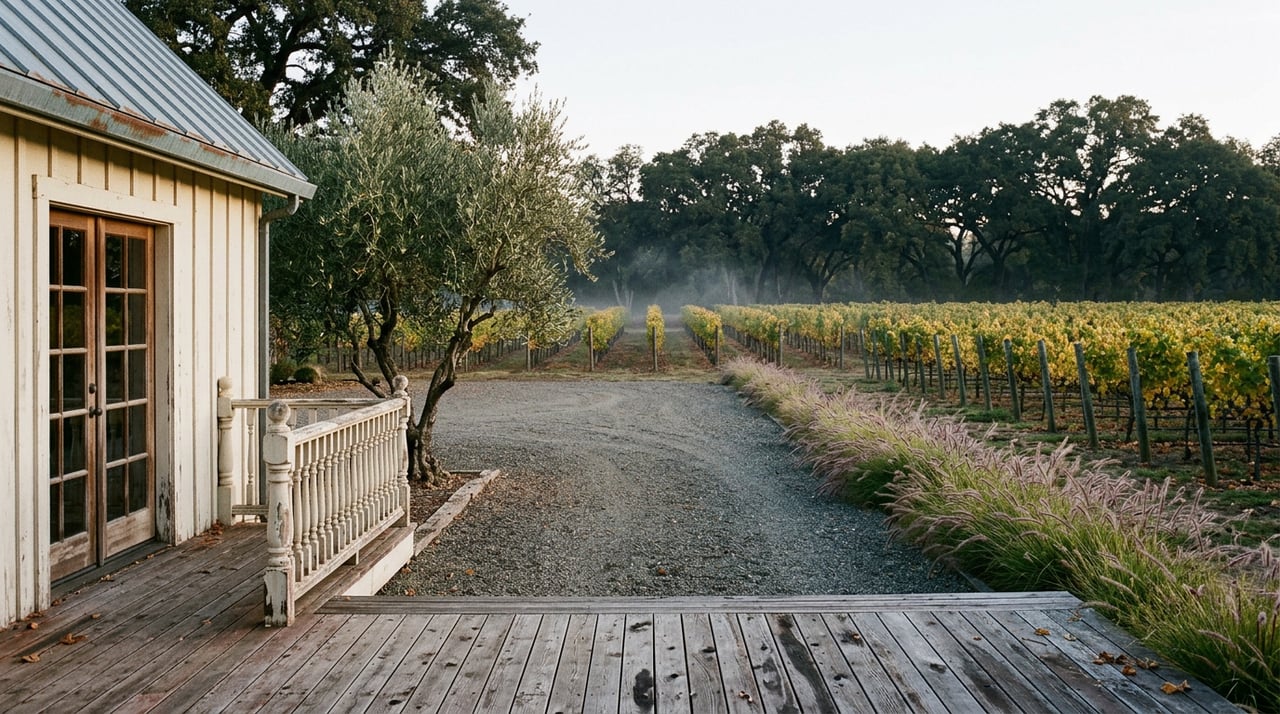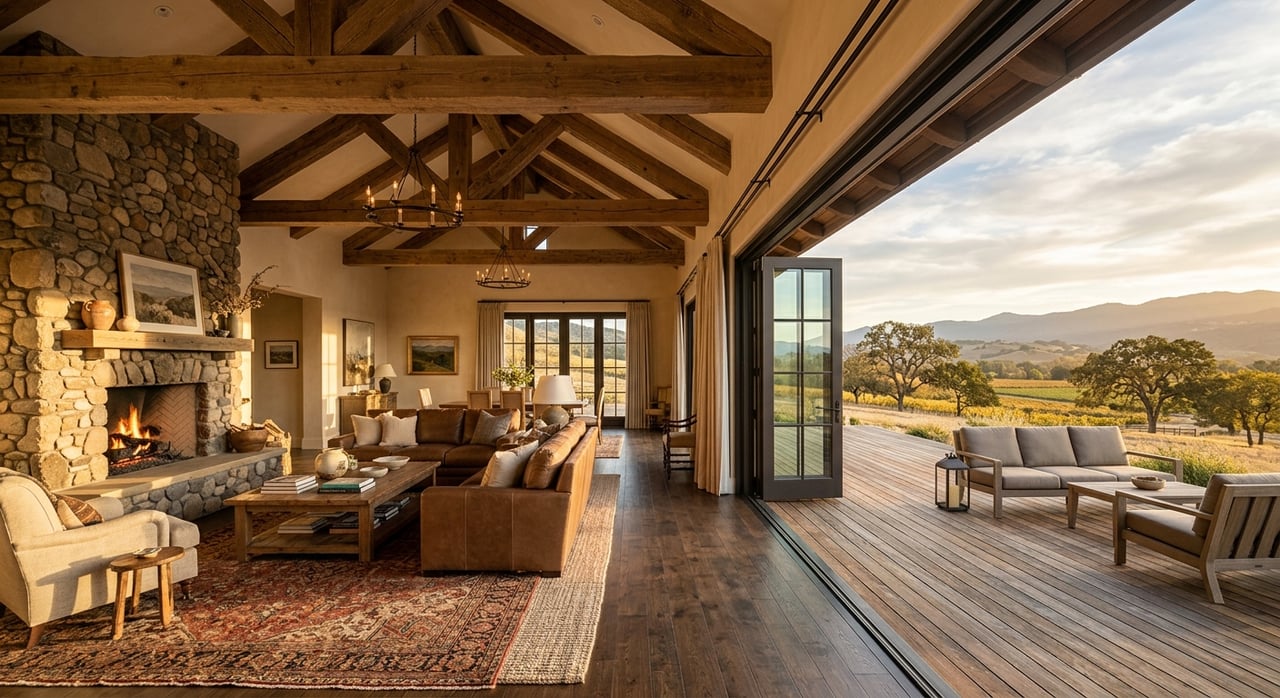
If you are shopping for a second home in wine country, Sonoma Valley estates can feel both exciting and hard to compare. One property may offer sweeping vineyard views and privacy, while another wins on easier access, simpler maintenance, or a more central location near Sonoma Plaza. This guide will help you look past the listing photos and focus on what really matters when you buy a second home in Sonoma Valley. Let’s dive in.
Why Sonoma Valley Works for Second Homes
Sonoma Valley is a 17-mile wine-country corridor that includes Sonoma, Glen Ellen, Kenwood, and The Springs. It sits about 45 miles north of San Francisco along Highway 12 and offers more than 100 wineries, along with restaurants, boutiques, and a lively calendar of events centered in part around historic Sonoma Plaza.
For many second-home buyers, that mix is the draw. You get a setting that supports weekend use, longer seasonal stays, and a lifestyle built around outdoor living, dining, and wine-country experiences. At the same time, each part of the valley can feel different, so your ideal fit depends on how you plan to use the property.
What “Estate” Means in Sonoma Valley
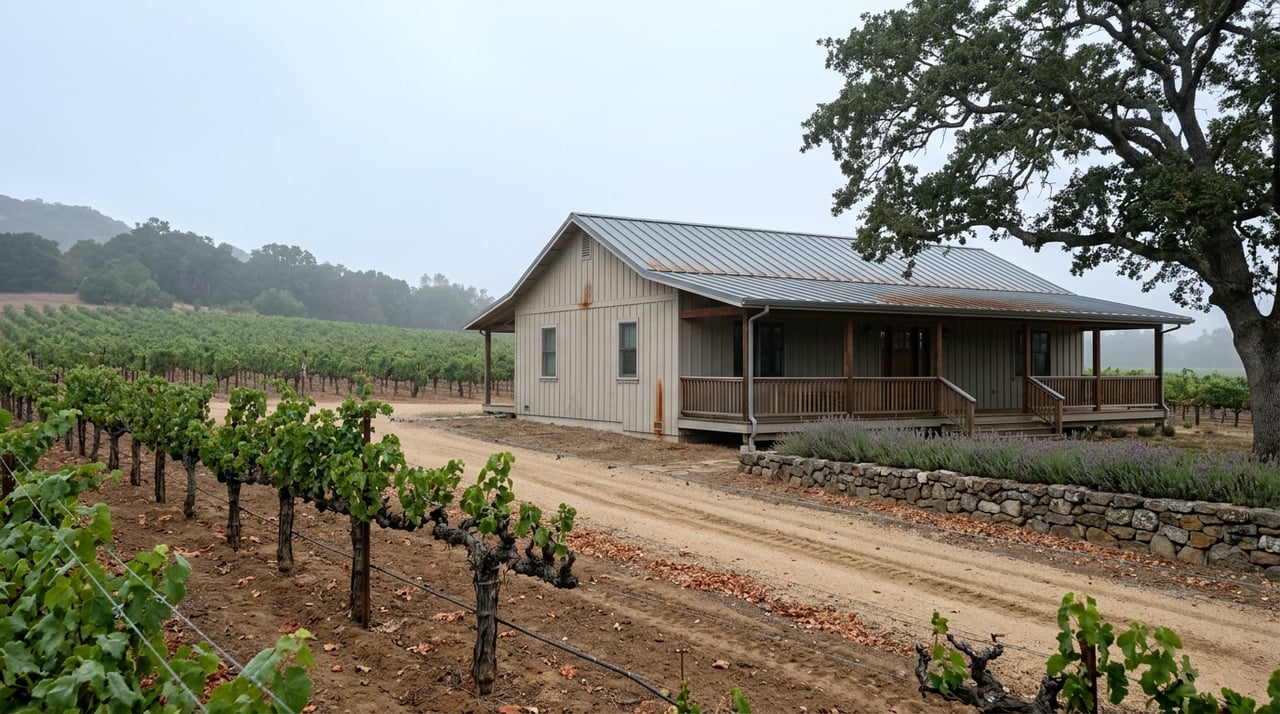
In Sonoma Valley, estate buying is often about the land and setting as much as the house itself. View lines, privacy, driveway access, outdoor living areas, and how the property functions as a weekend base can shape value in ways that square footage alone cannot.
That matters because Sonoma Valley’s geography creates clear premiums for certain sites. Rolling terrain, vineyard outlooks, and mountain framing can make two homes with similar interiors feel very different in daily use. If you are buying a second home, focus on how the parcel lives, not just how the floor plan reads.
Site Features That Often Matter Most
When you compare estate properties, pay close attention to these practical factors:
- Privacy and distance from neighboring homes
- Long-range views and how protected those views feel
- Driveway design, grade, and ease of year-round access
- Usable outdoor living space for dining and entertaining
- Parcel layout and how much land is truly functional
- Exposure to sun, heat, wind, and surrounding vegetation
A home that looks perfect online may feel less convenient in person if the access is difficult or the outdoor areas are limited. For a second home, ease of use often becomes one of the biggest quality-of-life factors.
Understand the Sonoma Valley Market Snapshot
One of the most important things to know is that Sonoma Valley pricing can look very different depending on the source. In ZIP code 95476, Zillow reported a median sale price of $898,667 in February 2026, while Realtor.com reported 180 active listings with a median list price of $1.25 million, a median price per square foot of $646, and about 33 days on market with a 97% sales-to-list ratio.
Other snapshots tell a different story. Redfin showed Sonoma city at a $1.2 million median sale price in March 2026, while Sonoma County as a whole showed an $815,000 median sale price and 36 days on market. For estate buyers, the takeaway is simple: do not use one median number to judge the whole market.
Why Median Prices Can Mislead Estate Buyers
Estate and view properties do not trade like standard homes on standard lots. A property’s value may be shaped by privacy, acreage, setting, utility systems, and accessibility, all of which can vary widely even within the same ZIP code.
If you are looking at luxury second homes, you need to compare like with like. A central in-town property, a hillside retreat, and an acreage estate may all sit under the same broad market headline, but they serve very different buyer goals.
Match the Property to Your Lifestyle
Sonoma Valley supports year-round enjoyment, but how you plan to use your second home should shape your search. The valley is known as a year-round food-and-wine destination, with seasonal festivals, a weekly farmers market, and regular activity around Sonoma Plaza.
Wineries generally open around 10:00 a.m. to 11:00 a.m. and close around 4:30 p.m. to 6:00 p.m., and many remain open year-round except for major holidays. Many wineries also do not offer full-service restaurants, so if easy dining access is part of your ideal weekend, location and planning matter.
Questions to Ask Yourself Early
Before you choose an estate property, think through how you want the home to function:
- Will you visit mostly for weekends or for longer seasonal stays?
- Do you want quick access to dining and events near Sonoma Plaza?
- Are you comfortable caring for a private-drive or hillside property?
- Do you want a turn-key home or are you open to more hands-on stewardship?
- Will outdoor entertaining be central to how you use the home?
These answers help narrow your search quickly. They also help you avoid buying a beautiful property that does not fit your real day-to-day use.
Prepare for Seasonal Ownership Realities
Sonoma Valley weather follows a classic wine-country pattern. July and August average highs are about 86°F with essentially no rainfall, while January averages 57°F with about 5.47 inches of precipitation and February averages 61.6°F with about 5.42 inches.
For second-home ownership, that seasonal rhythm matters. Summer conditions support outdoor living, but they also raise the need for irrigation, shading, air conditioning, and wildfire readiness. Winter brings a different checklist focused on roofs, gutters, driveways, and drainage.
Seasonal Priorities for Second Homes
Here is a simple way to think about seasonal care:
- Summer: irrigation checks, shade planning, cooling systems, landscape maintenance, wildfire readiness
- Winter: roof inspection, gutter cleaning, drainage review, driveway condition, storm response planning
- Spring and fall: often the most comfortable periods for extended personal use
If you live elsewhere most of the year, routine property care is not optional. It is part of protecting both your enjoyment and your investment.
Do Due Diligence on Access First
Access can make or break an estate purchase. Sonoma County maintains address data used by 911 dispatchers, the City of Sonoma points residents to county evacuation-zone maps, and county agencies emphasize road clearing to improve emergency vehicle access.
That means parcel-level access and emergency routing deserve early attention, especially for gated, private-drive, or hillside properties. A home can feel wonderfully secluded, but you still need to understand how first responders reach it and how you would leave quickly if conditions change.
Access Checks Worth Making
During your buying process, ask for clarity on:
- Private road or driveway condition
- Grade, turning radius, and seasonal drivability
- Addressing and emergency location accuracy
- Evacuation-zone status and route options
- Gate access and any service limitations
These are not minor details for second-home buyers. If you are not on site every day, simple access problems can become costly and stressful fast.
Review Water and Wastewater Carefully
On rural Sonoma parcels, water and wastewater systems are core diligence items. Permit Sonoma states that where public sewer is not available, homeowners must use septic systems to treat wastewater, and permits are required for septic construction and for drilling new or replacement water-supply wells.
For an estate buyer, the key issue is not just whether a system exists. You also want to know whether it is properly permitted, sized for actual use, and maintained in a way that supports your lifestyle plans.
Key Utility Questions for Rural Estates
Ask your team to investigate:
- Whether the property is on public sewer or septic
- Septic system age, permits, maintenance history, and capacity
- Whether the property relies on a well for water supply
- Well-related records and any known replacement or upgrade history
- Whether current systems match expected occupancy and guest use
This is especially important if you expect frequent visitors or extended stays. A beautiful home can become much less enjoyable if the underlying systems are not aligned with how you plan to use it.
Check Wildfire Exposure at the Parcel Level
Wildfire diligence is a must in Sonoma Valley, especially for hillside, brush-adjacent, or acreage properties. CAL FIRE’s Sonoma County fire-hazard map classifies land into moderate, high, and very high fire hazard severity zones.
County agencies also emphasize wildfire prevention, road clearing, and emergency access. Before you close, you should understand not only the map designation but also what ongoing landscape work, defensible space planning, and insurance conversations may be part of ownership.
Wildfire Readiness Topics to Discuss
A smart second-home review should include:
- Fire-hazard severity zone classification
- Vegetation and defensible space needs
- Access for emergency vehicles
- Ongoing road and landscape maintenance
- Insurance planning tied to the property’s exposure
For out-of-area buyers, this is one of the biggest reasons to work with a local team that understands estate properties. Wildfire risk is highly site-specific, and broad assumptions can lead to expensive surprises.
Plan for California Property Taxes
Your closing costs and first-year ownership costs may not stop with the standard annual tax bill. The California State Board of Equalization explains that Proposition 13 generally limits the property tax rate to 1% of assessed value plus voter-approved additions.
It also notes that supplemental assessments can create additional tax bills after a change in ownership or new construction. For second-home buyers, that means you should budget for the possibility of extra tax charges during the first year.
Build the Right Support Team
A second-home purchase in Sonoma Valley often needs more than a typical residential checklist. The most useful team usually includes a local buyer’s agent with estate and acreage experience, along with inspectors and service providers who can evaluate structure, roofing, decks, septic, wells, drainage, and wildfire-related concerns.
After closing, the support team often matters just as much. Property management, landscaping, irrigation checks, and storm or wind response can become recurring needs, especially if you are not living in the home full time.
Professionals Who Can Add Real Value
Depending on the property, your team may include:
- A local buyer’s agent with estate and acreage experience
- A home inspector
- A septic inspector or designer
- A well contractor
- An insurance broker familiar with wildfire exposure
- A property manager or landscape crew for ongoing care
The goal is not to make the process feel more complicated. It is to reduce surprises in a market where the house, parcel, access, and utility systems all play a meaningful role.
A Smarter Way to Buy in Sonoma Valley
The best second-home purchases in Sonoma Valley are rarely the result of chasing a headline price point or a perfect photo set. They happen when you match the property to your lifestyle, understand the land, and complete careful diligence on access, systems, and seasonal ownership realities.
If you are considering an estate purchase in Sonoma Valley, a clear strategy can help you buy with more confidence and fewer surprises. For discreet guidance on rural and wine-country properties, connect with Kevin McDonald.
FAQs
What makes a Sonoma Valley estate different from a standard home purchase?
- Sonoma Valley estate purchases often require closer review of land quality, views, privacy, driveway access, septic or well systems, wildfire exposure, and year-round property care.
What should second-home buyers know about Sonoma Valley market prices?
- Market snapshots vary by ZIP code, city, county, and whether the number reflects list price or sale price, so estate buyers should compare similar properties instead of relying on one median figure.
What utility issues matter most for rural Sonoma Valley properties?
- Water supply and wastewater treatment are key diligence items, especially on parcels that rely on wells and septic systems rather than public utilities.
What wildfire factors should buyers review for Sonoma Valley estates?
- Buyers should check the parcel’s fire-hazard severity zone, emergency access, vegetation conditions, defensible space needs, and insurance considerations before closing.
What maintenance concerns come with a second home in Sonoma Valley?
- Summer often brings irrigation, cooling, and wildfire-readiness needs, while winter ownership calls for attention to roofs, gutters, drainage, driveways, and storm response planning.
What kind of team helps with a Sonoma Valley second-home purchase?
- A strong team may include a local buyer’s agent, home inspector, septic specialist, well contractor, insurance broker, and property care professionals for ongoing support.